

The Learning Prompt Engineering Blog
Practical articles on how AI models process prompts, methods that often improve your results, and how those techniques hold up in real tasks. Organized into three areas — getting started, techniques, and real-world use — so you can start wherever’s useful to you.
What's New
Fresh content across all three topic areas — published on a rolling schedule.
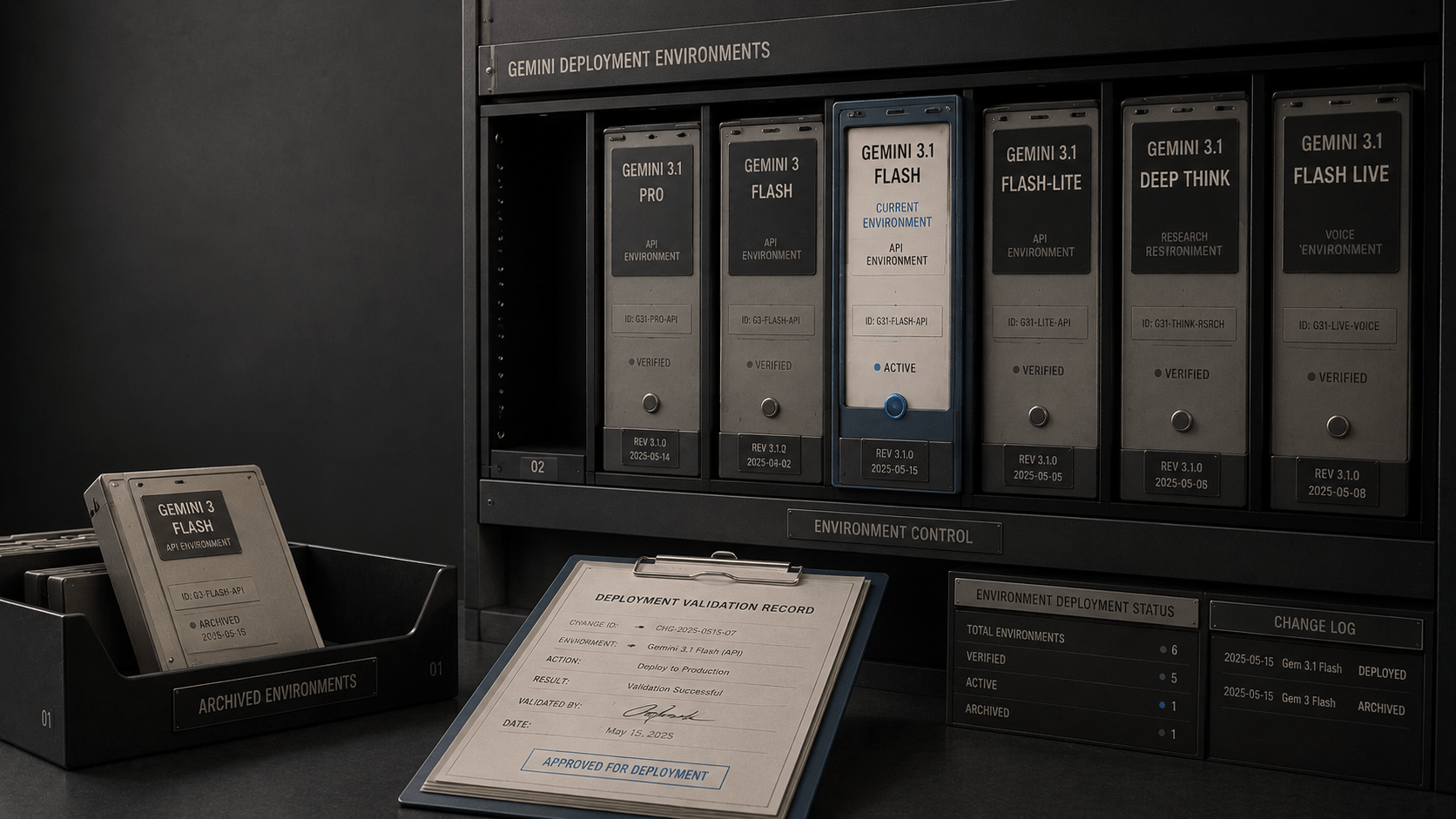
Prompting Gemini — What to Expect and How to Adjust
A practical deep dive into Gemini’s default output tendencies across its model family and integration environments, with specific prompt adjustment strategies for when those defaults do not serve your task.
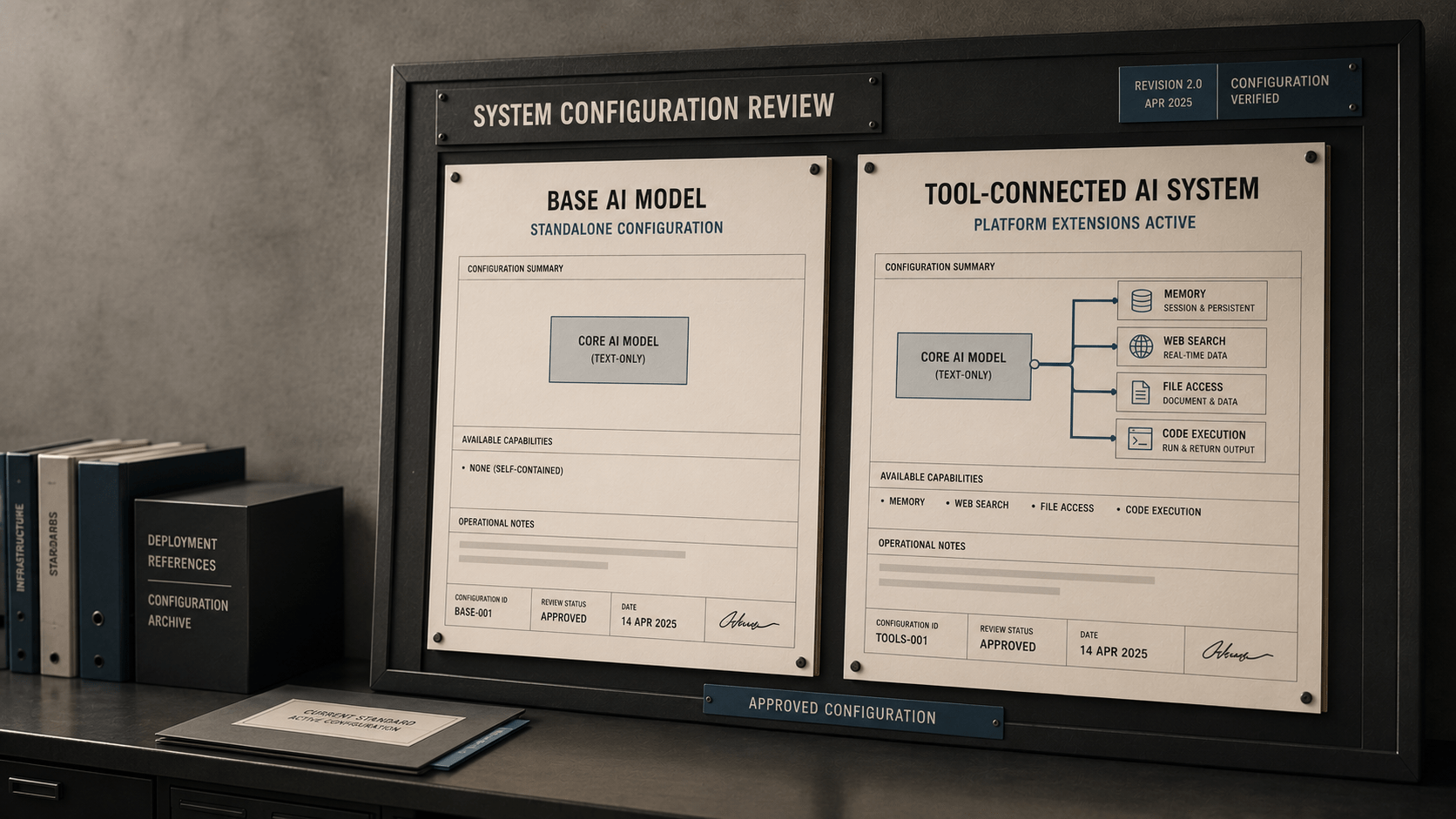
Base AI Models vs Tool-Connected AI Systems What’s the Difference
Explains the key distinction between base AI models — text-only, no tools, no memory — and tool-connected AI systems, and why this distinction matters when designing prompts.
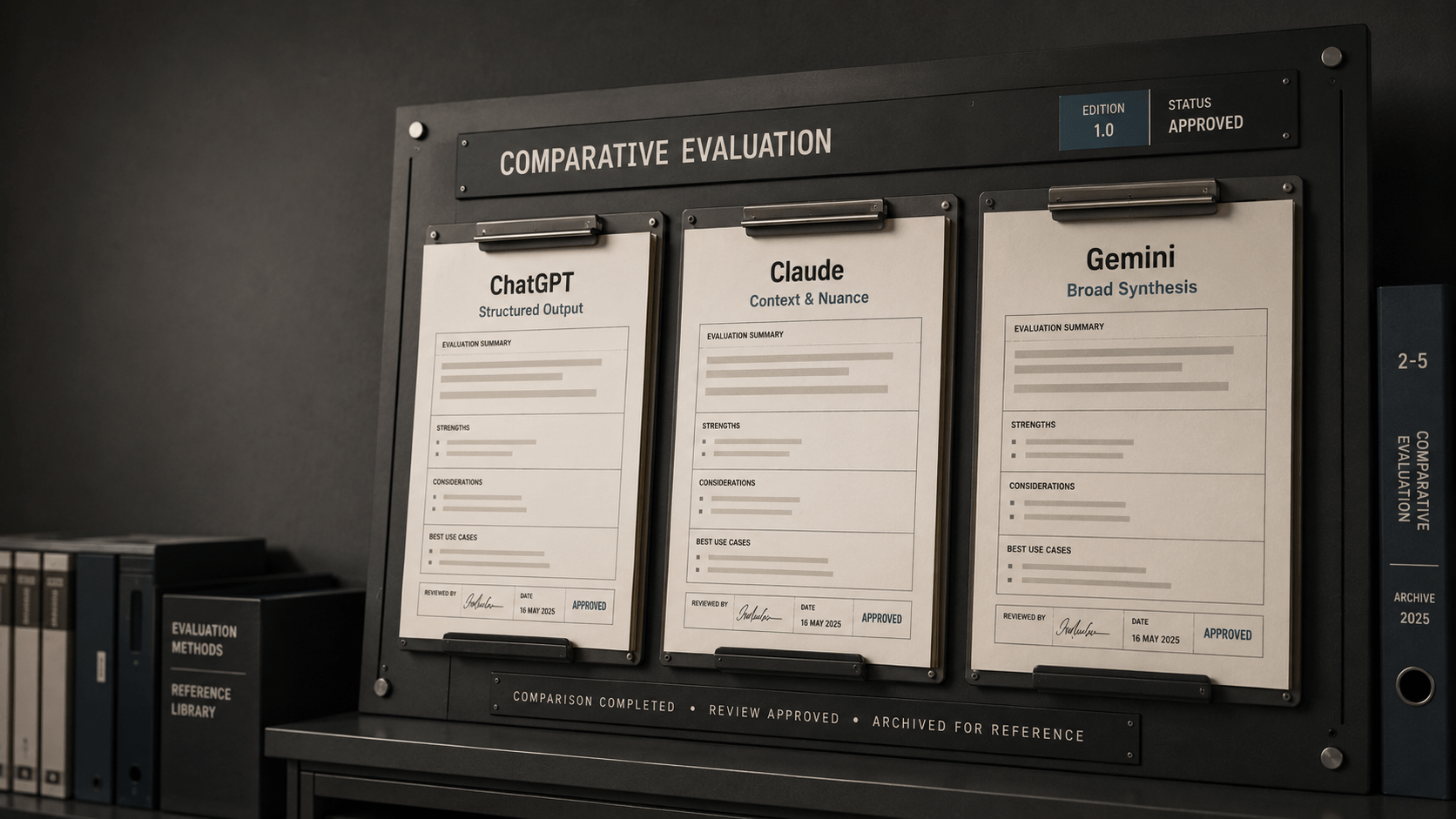
ChatGPT vs Claude vs Gemini How the Same Prompt Behaves Differently
Compares how three major AI tools — ChatGPT, Claude, and Gemini — tend to interpret and respond to the same prompt, using probabilistic framing throughout.
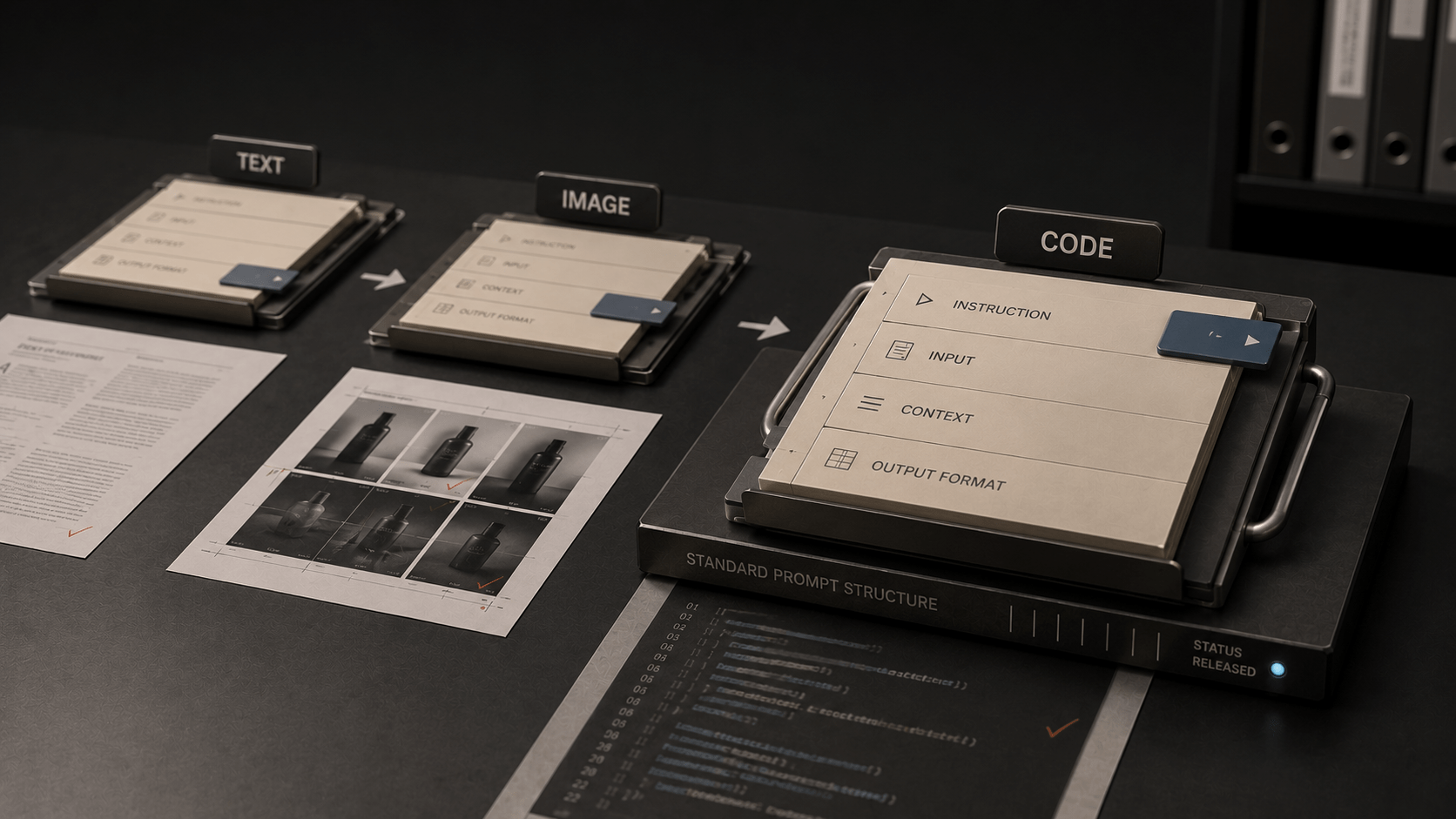
Prompt Anatomy Across Text, Image, and Code Tasks
Shows how the four structural prompt components apply consistently across text generation, image generation, and code generation tasks, with a labeled example for each task type.
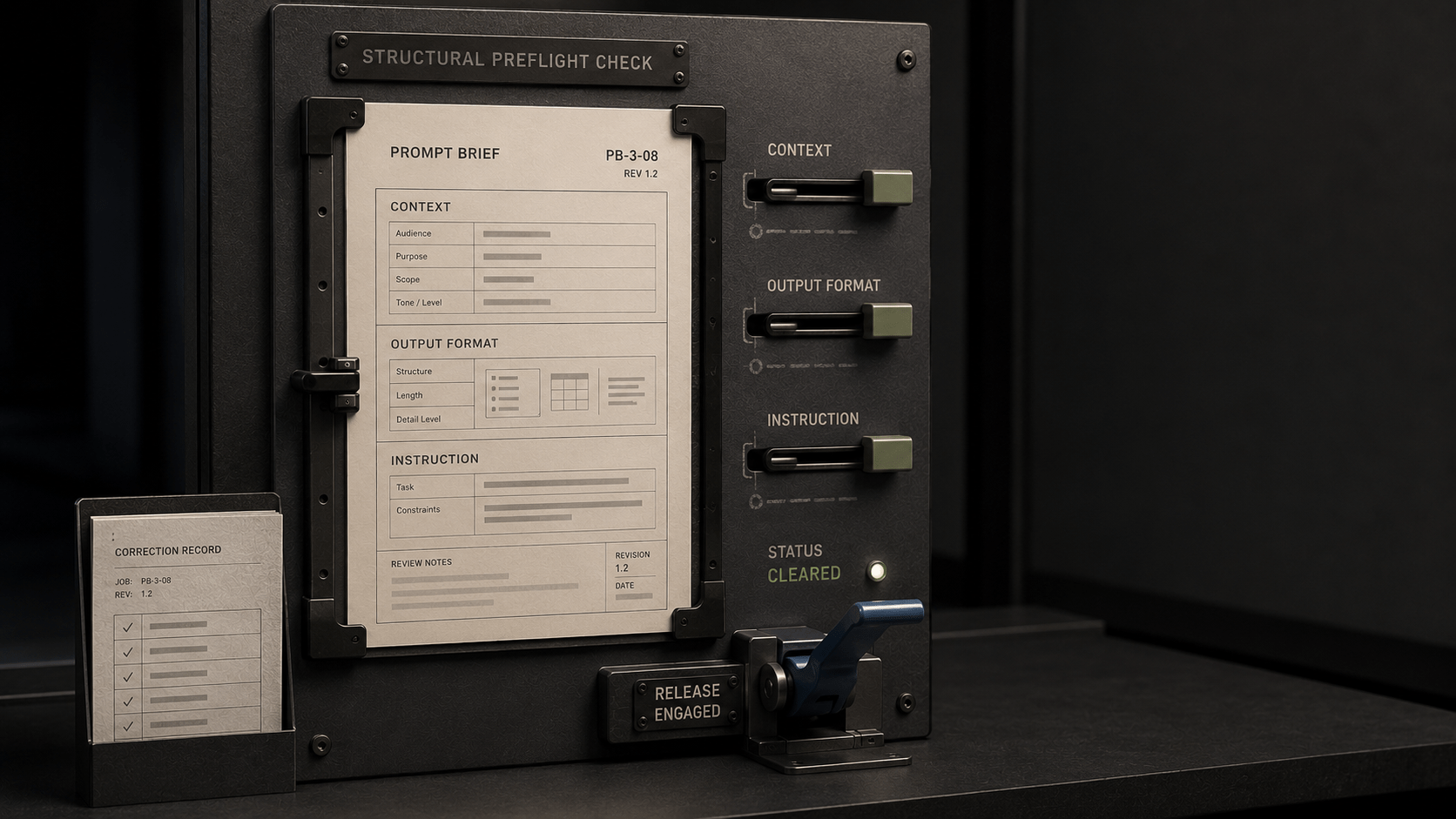
3 Structural Prompt Mistakes Beginners Make (And How to Fix Them)
Identifies the three most common structural prompt errors — omitting context, skipping output format, and using vague instructions — with a corrected example for each mistake.
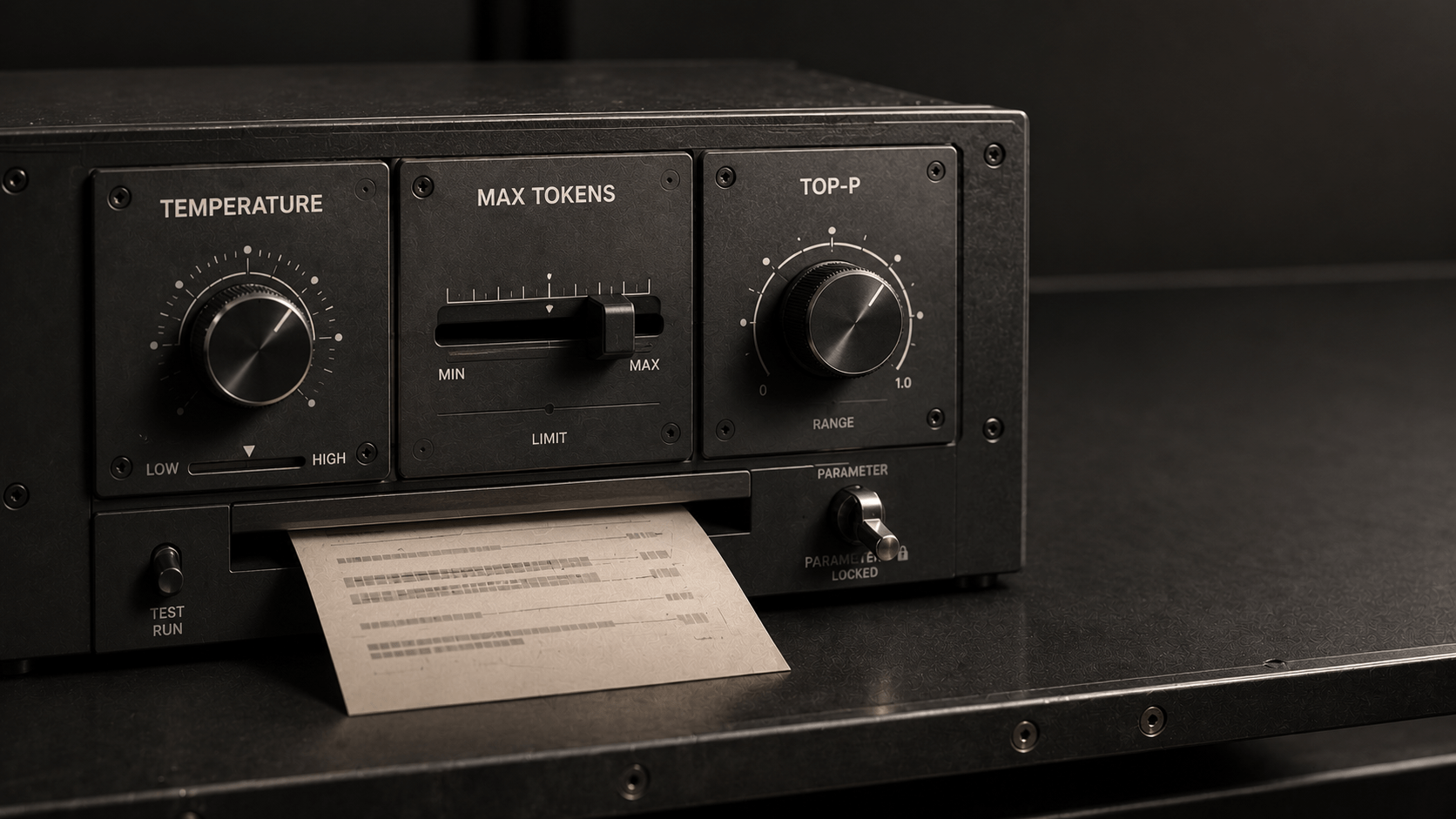
AI Model Settings Explained Temperature, Max Tokens, and Top-P
Explains the three most common model output settings — temperature, max tokens, and top-p — covering what each controls, how low and high values tend to affect output, and when these settings matter.
Getting Started
New to prompt engineering? This is where you begin. You'll learn what prompts actually are, how AI models process them, and the foundational concepts that make everything else click.
Prompting Gemini — What to Expect and How to Adjust
A practical deep dive into Gemini’s default output tendencies across its model family and integration environments, with specific prompt adjustment strategies for when those defaults do not serve your task.
Base AI Models vs Tool-Connected AI Systems What’s the Difference
Explains the key distinction between base AI models — text-only, no tools, no memory — and tool-connected AI systems, and why this distinction matters when designing prompts.
ChatGPT vs Claude vs Gemini How the Same Prompt Behaves Differently
Compares how three major AI tools — ChatGPT, Claude, and Gemini — tend to interpret and respond to the same prompt, using probabilistic framing throughout.
Prompt Anatomy Across Text, Image, and Code Tasks
Shows how the four structural prompt components apply consistently across text generation, image generation, and code generation tasks, with a labeled example for each task type.
3 Structural Prompt Mistakes Beginners Make (And How to Fix Them)
Identifies the three most common structural prompt errors — omitting context, skipping output format, and using vague instructions — with a corrected example for each mistake.
AI Model Settings Explained Temperature, Max Tokens, and Top-P
Explains the three most common model output settings — temperature, max tokens, and top-p — covering what each controls, how low and high values tend to affect output, and when these settings matter.
Prompt Techniques
Practical methods for writing better prompts. Zero-shot, few-shot, the seven-element framework, iterative refinement, A/B testing — each one explained clearly with examples you can apply right away.
Prompting Gemini — What to Expect and How to Adjust
A practical deep dive into Gemini’s default output tendencies across its model family and integration environments, with specific prompt adjustment strategies for when those defaults do not serve your task.
Base AI Models vs Tool-Connected AI Systems What’s the Difference
Explains the key distinction between base AI models — text-only, no tools, no memory — and tool-connected AI systems, and why this distinction matters when designing prompts.
ChatGPT vs Claude vs Gemini How the Same Prompt Behaves Differently
Compares how three major AI tools — ChatGPT, Claude, and Gemini — tend to interpret and respond to the same prompt, using probabilistic framing throughout.
Prompt Anatomy Across Text, Image, and Code Tasks
Shows how the four structural prompt components apply consistently across text generation, image generation, and code generation tasks, with a labeled example for each task type.
3 Structural Prompt Mistakes Beginners Make (And How to Fix Them)
Identifies the three most common structural prompt errors — omitting context, skipping output format, and using vague instructions — with a corrected example for each mistake.
AI Model Settings Explained Temperature, Max Tokens, and Top-P
Explains the three most common model output settings — temperature, max tokens, and top-p — covering what each controls, how low and high values tend to affect output, and when these settings matter.
Real World Use
Prompt engineering applied to real work — content creation, business automation, professional workflows, and visual tools. The focus here is practical: what to prompt, how to structure it, and what to do when the output needs work.
Prompting Gemini — What to Expect and How to Adjust
A practical deep dive into Gemini’s default output tendencies across its model family and integration environments, with specific prompt adjustment strategies for when those defaults do not serve your task.
Base AI Models vs Tool-Connected AI Systems What’s the Difference
Explains the key distinction between base AI models — text-only, no tools, no memory — and tool-connected AI systems, and why this distinction matters when designing prompts.
ChatGPT vs Claude vs Gemini How the Same Prompt Behaves Differently
Compares how three major AI tools — ChatGPT, Claude, and Gemini — tend to interpret and respond to the same prompt, using probabilistic framing throughout.
Prompt Anatomy Across Text, Image, and Code Tasks
Shows how the four structural prompt components apply consistently across text generation, image generation, and code generation tasks, with a labeled example for each task type.
3 Structural Prompt Mistakes Beginners Make (And How to Fix Them)
Identifies the three most common structural prompt errors — omitting context, skipping output format, and using vague instructions — with a corrected example for each mistake.
AI Model Settings Explained Temperature, Max Tokens, and Top-P
Explains the three most common model output settings — temperature, max tokens, and top-p — covering what each controls, how low and high values tend to affect output, and when these settings matter.