

The Learning Prompt Engineering Blog
Practical articles on how AI models process prompts, methods that often improve your results, and how those techniques hold up in real tasks. Organized into three areas — getting started, techniques, and real-world use — so you can start wherever’s useful to you.
What's New
Fresh content across all three topic areas — published on a rolling schedule.
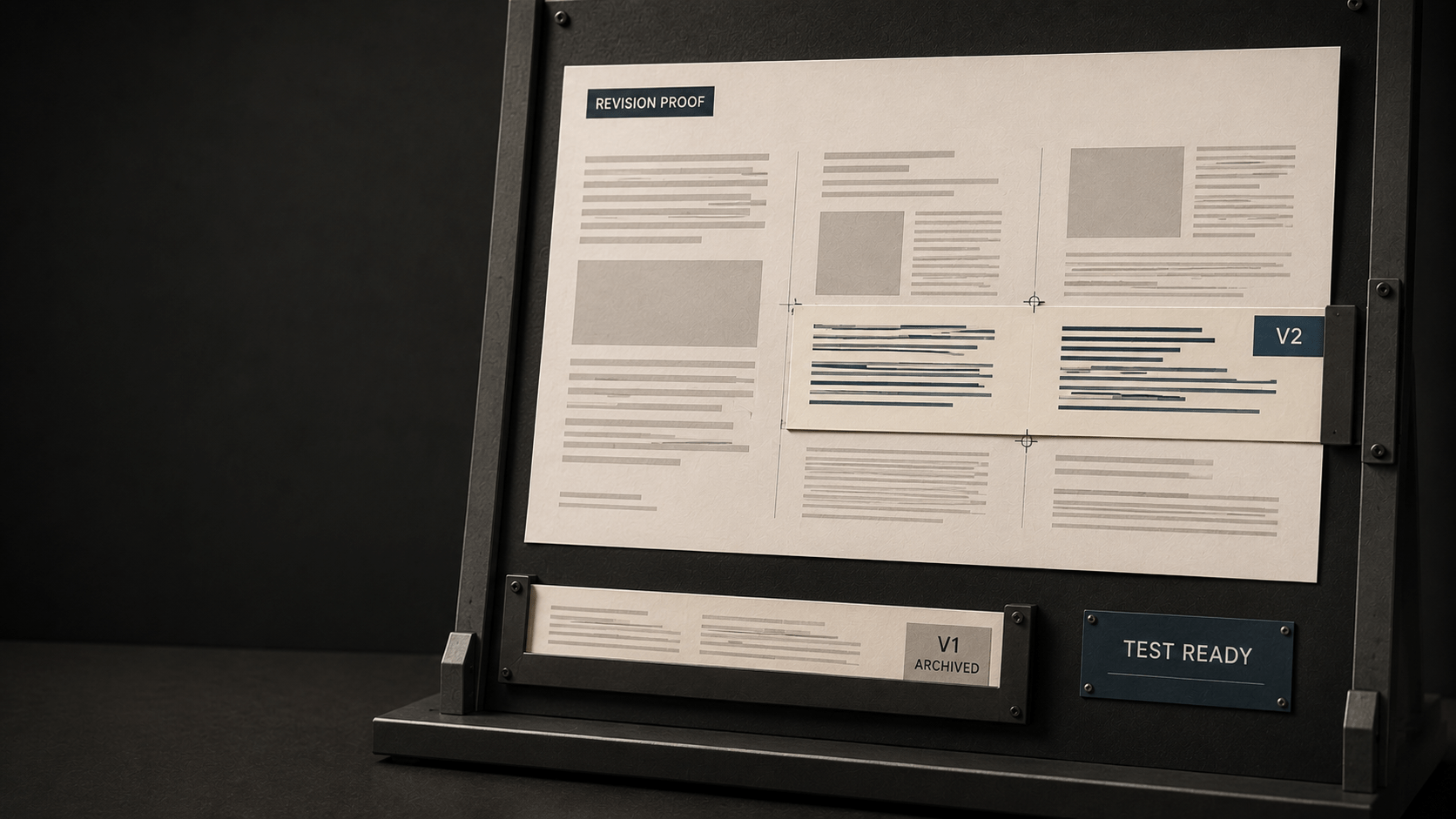
The Draft → Test → Refine Loop
A practical walkthrough of the three-stage prompt iteration process — showing how to identify which element caused an output gap and apply one targeted adjustment at a time.
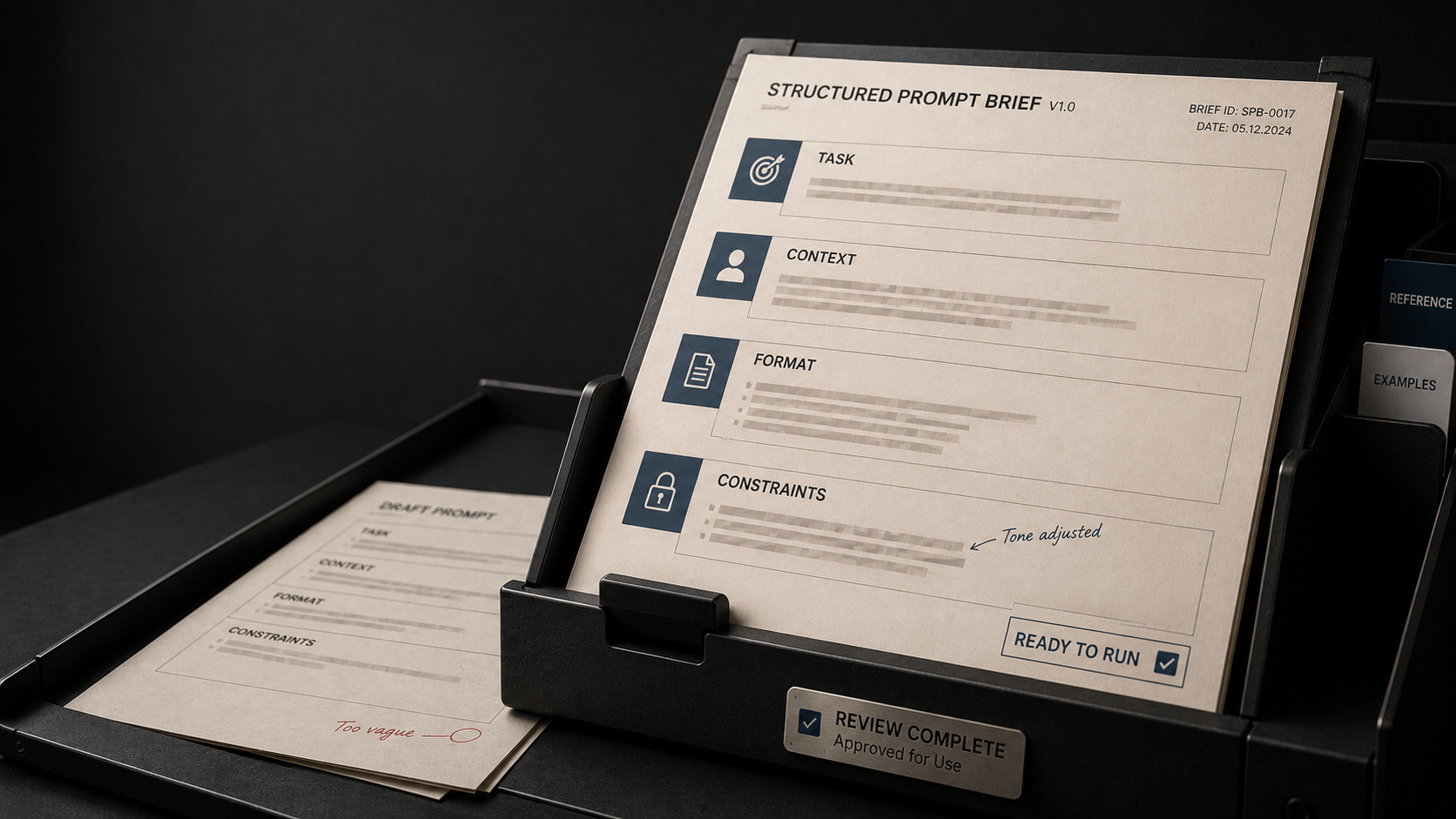
How to Write Your First Structured Prompt
Walks beginners through writing a structured prompt using the principles introduced in Chapter 1 — task, context, format, and constraints — with a worked example.
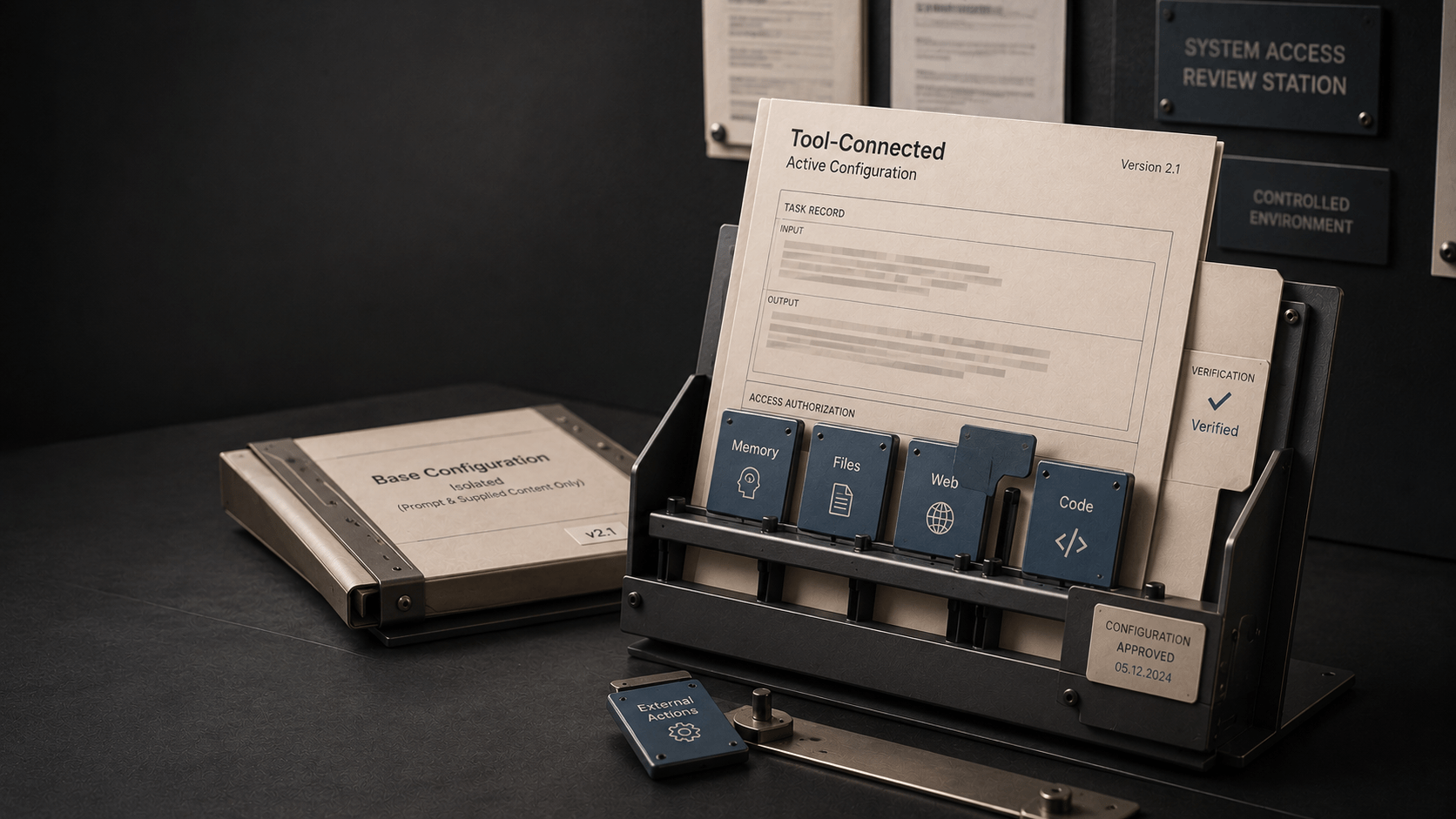
What Produced That AI Answer? Four Categories Every Prompt Engineer Should Know
Explains the difference between base AI models (text-only, no memory or tools) and tool-connected AI systems, and why this distinction affects how prompting techniques apply.
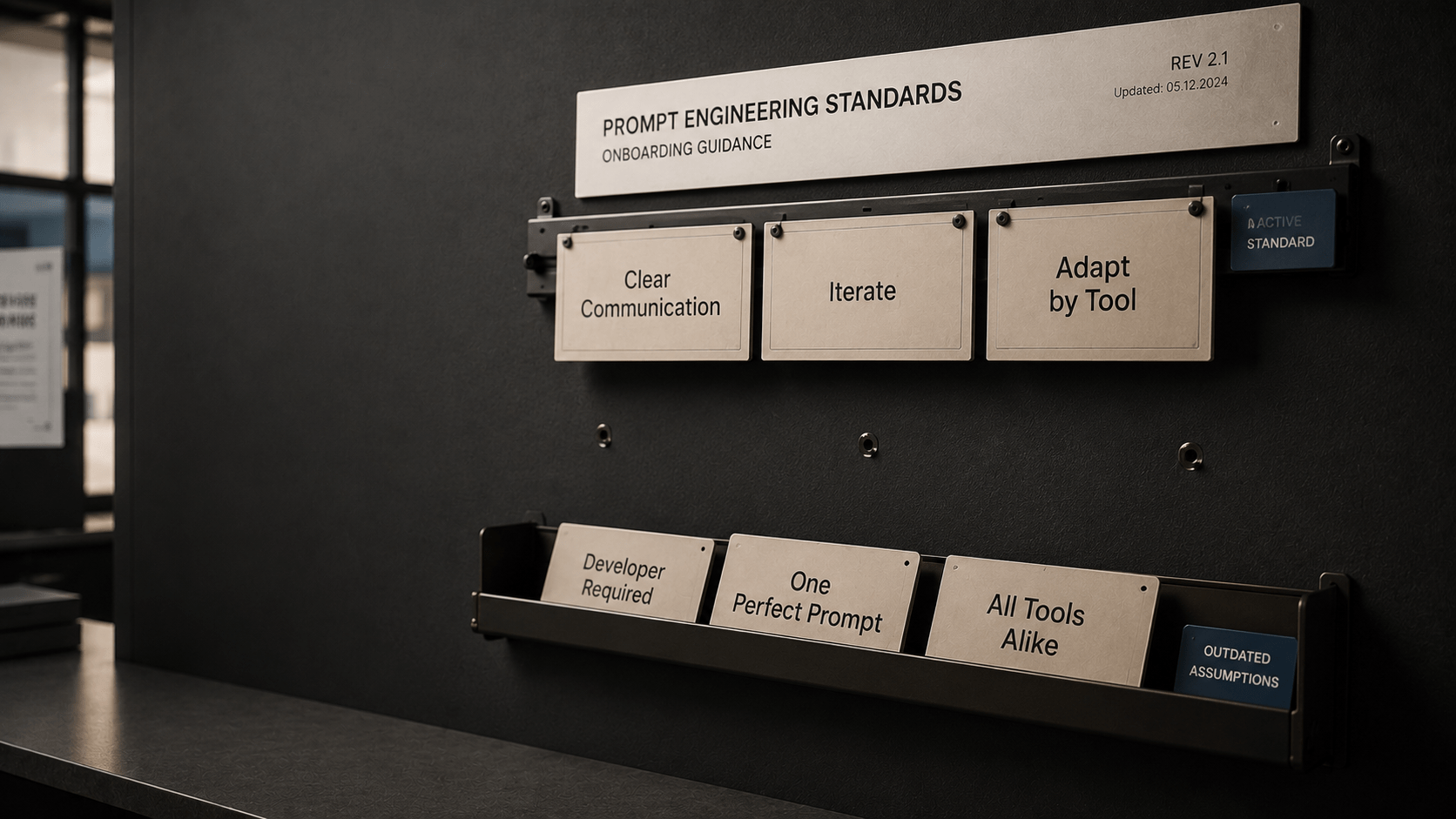
3 Prompt Engineering Myths That Hold Beginners Back
Addresses three common misconceptions — that prompting requires coding, that one perfect prompt is enough, and that all AI tools work the same way — with clear, practical reframes.
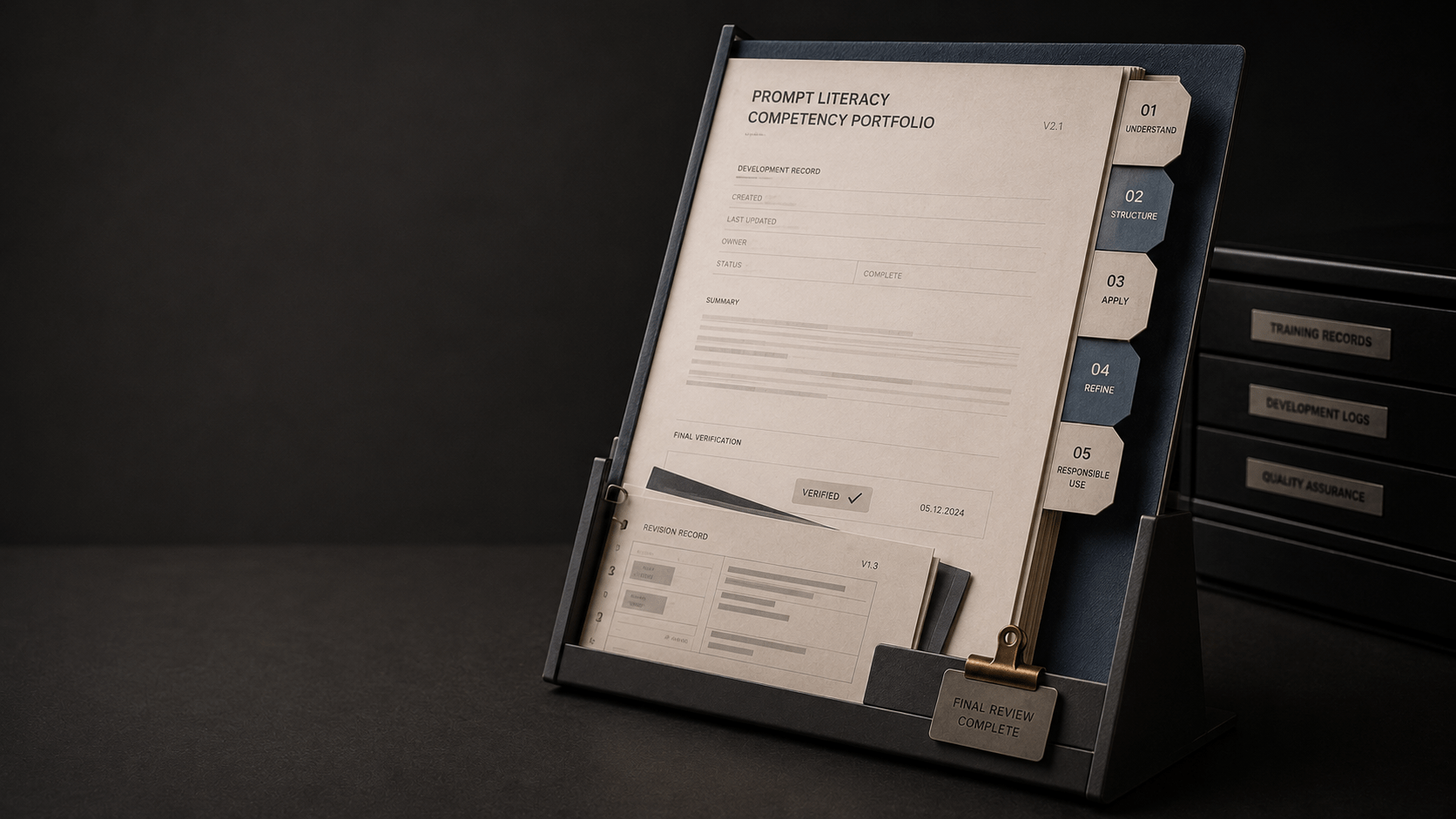
What Is Prompt Literacy — And Why Does It Matter
Defines prompt literacy as a practical, learnable skill and introduces the five core skills this concept develops, as outlined in the LPE eBook.
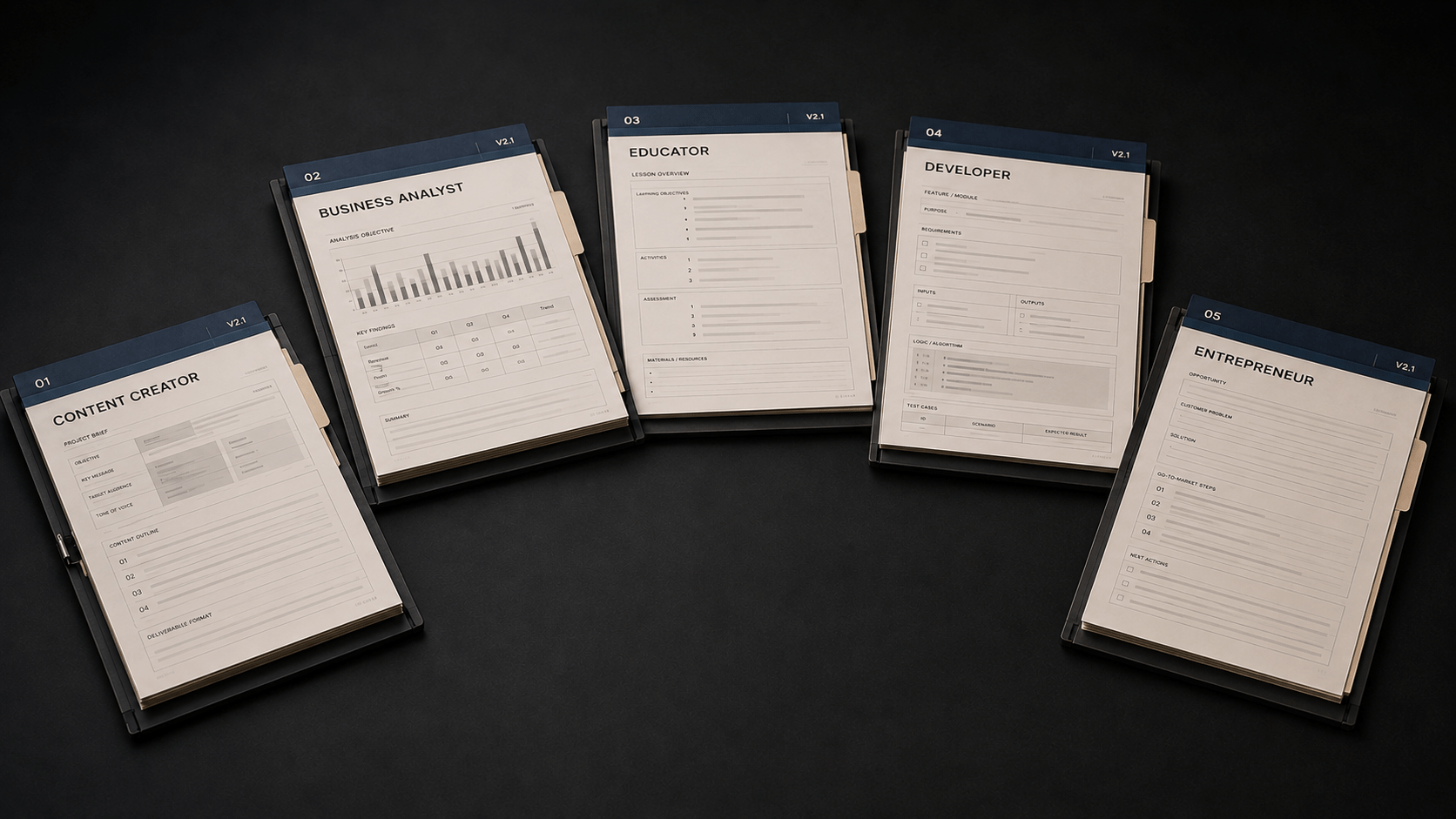
Who Uses Prompt Engineering: 5 Roles That Benefit Right Now
Profiles five user types — content creator, business analyst, educator, developer, and entrepreneur — and describes how each uses structured prompting in practice.
Getting Started
New to prompt engineering? This is where you begin. You'll learn what prompts actually are, how AI models process them, and the foundational concepts that make everything else click.
The Draft → Test → Refine Loop
A practical walkthrough of the three-stage prompt iteration process — showing how to identify which element caused an output gap and apply one targeted adjustment at a time.
How to Write Your First Structured Prompt
Walks beginners through writing a structured prompt using the principles introduced in Chapter 1 — task, context, format, and constraints — with a worked example.
What Produced That AI Answer? Four Categories Every Prompt Engineer Should Know
Explains the difference between base AI models (text-only, no memory or tools) and tool-connected AI systems, and why this distinction affects how prompting techniques apply.
3 Prompt Engineering Myths That Hold Beginners Back
Addresses three common misconceptions — that prompting requires coding, that one perfect prompt is enough, and that all AI tools work the same way — with clear, practical reframes.
What Is Prompt Literacy — And Why Does It Matter
Defines prompt literacy as a practical, learnable skill and introduces the five core skills this concept develops, as outlined in the LPE eBook.
Who Uses Prompt Engineering: 5 Roles That Benefit Right Now
Profiles five user types — content creator, business analyst, educator, developer, and entrepreneur — and describes how each uses structured prompting in practice.
Prompt Techniques
Practical methods for writing better prompts. Zero-shot, few-shot, the seven-element framework, iterative refinement, A/B testing — each one explained clearly with examples you can apply right away.
The Draft → Test → Refine Loop
A practical walkthrough of the three-stage prompt iteration process — showing how to identify which element caused an output gap and apply one targeted adjustment at a time.
How to Write Your First Structured Prompt
Walks beginners through writing a structured prompt using the principles introduced in Chapter 1 — task, context, format, and constraints — with a worked example.
What Produced That AI Answer? Four Categories Every Prompt Engineer Should Know
Explains the difference between base AI models (text-only, no memory or tools) and tool-connected AI systems, and why this distinction affects how prompting techniques apply.
3 Prompt Engineering Myths That Hold Beginners Back
Addresses three common misconceptions — that prompting requires coding, that one perfect prompt is enough, and that all AI tools work the same way — with clear, practical reframes.
What Is Prompt Literacy — And Why Does It Matter
Defines prompt literacy as a practical, learnable skill and introduces the five core skills this concept develops, as outlined in the LPE eBook.
Who Uses Prompt Engineering: 5 Roles That Benefit Right Now
Profiles five user types — content creator, business analyst, educator, developer, and entrepreneur — and describes how each uses structured prompting in practice.
Real World Use
Prompt engineering applied to real work — content creation, business automation, professional workflows, and visual tools. The focus here is practical: what to prompt, how to structure it, and what to do when the output needs work.
The Draft → Test → Refine Loop
A practical walkthrough of the three-stage prompt iteration process — showing how to identify which element caused an output gap and apply one targeted adjustment at a time.
How to Write Your First Structured Prompt
Walks beginners through writing a structured prompt using the principles introduced in Chapter 1 — task, context, format, and constraints — with a worked example.
What Produced That AI Answer? Four Categories Every Prompt Engineer Should Know
Explains the difference between base AI models (text-only, no memory or tools) and tool-connected AI systems, and why this distinction affects how prompting techniques apply.
3 Prompt Engineering Myths That Hold Beginners Back
Addresses three common misconceptions — that prompting requires coding, that one perfect prompt is enough, and that all AI tools work the same way — with clear, practical reframes.
What Is Prompt Literacy — And Why Does It Matter
Defines prompt literacy as a practical, learnable skill and introduces the five core skills this concept develops, as outlined in the LPE eBook.
Who Uses Prompt Engineering: 5 Roles That Benefit Right Now
Profiles five user types — content creator, business analyst, educator, developer, and entrepreneur — and describes how each uses structured prompting in practice.