by Rafael Ramos | Aug 1, 2026 | Real-World Use
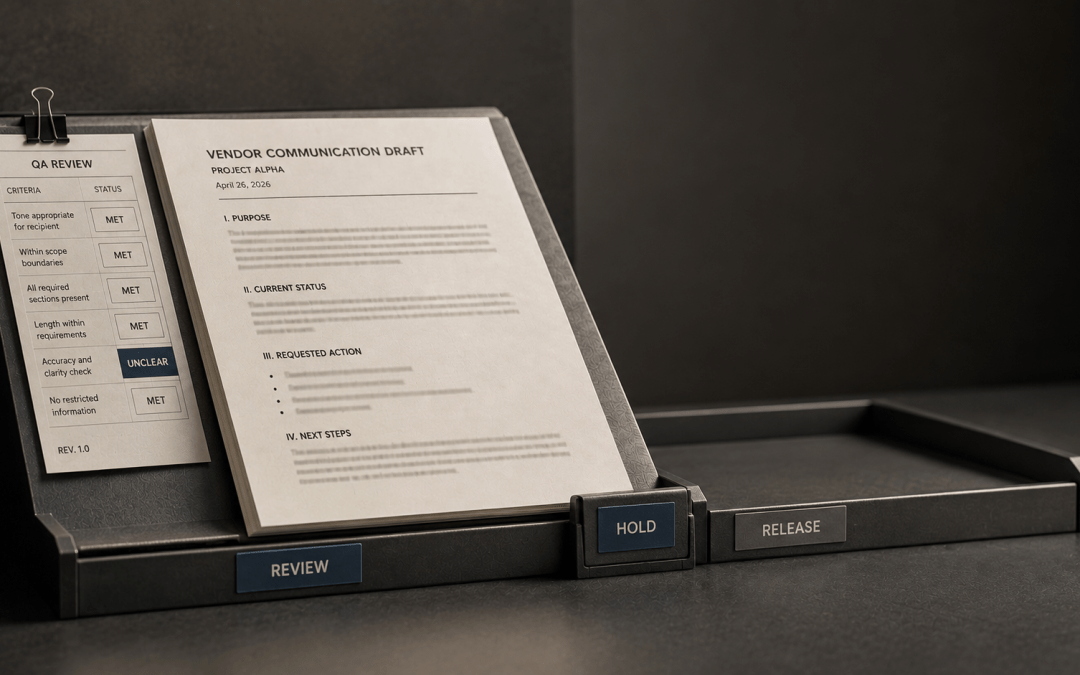
Introduction Prompt-driven automation can reduce time spent on repetitive writing tasks. But the quality of the output depends almost entirely on the quality of the prompt. Small structural gaps tend to produce outputs that require more editing than if you had written...

by Rafael Ramos | Aug 1, 2026 | Real-World Use
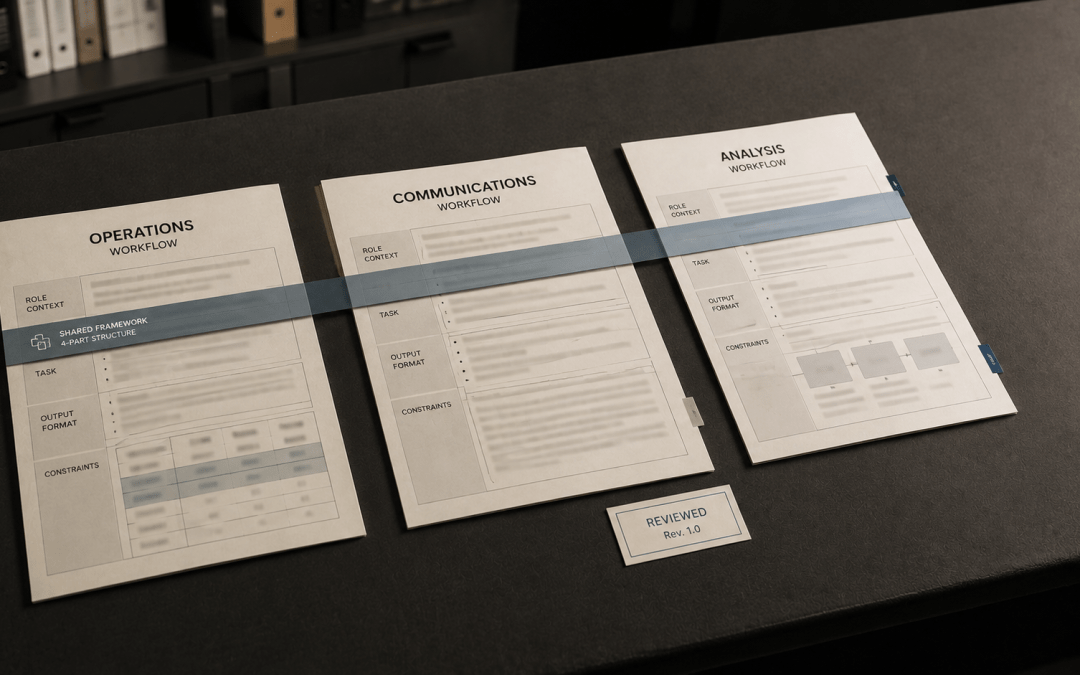
Introduction Most professionals who start using AI for work follow the same pattern. They write a prompt, it produces a useful result, they save the output – and then the next time they need the same type of document, they write the prompt from scratch again....
by Rafael Ramos | Aug 1, 2026 | Real-World Use
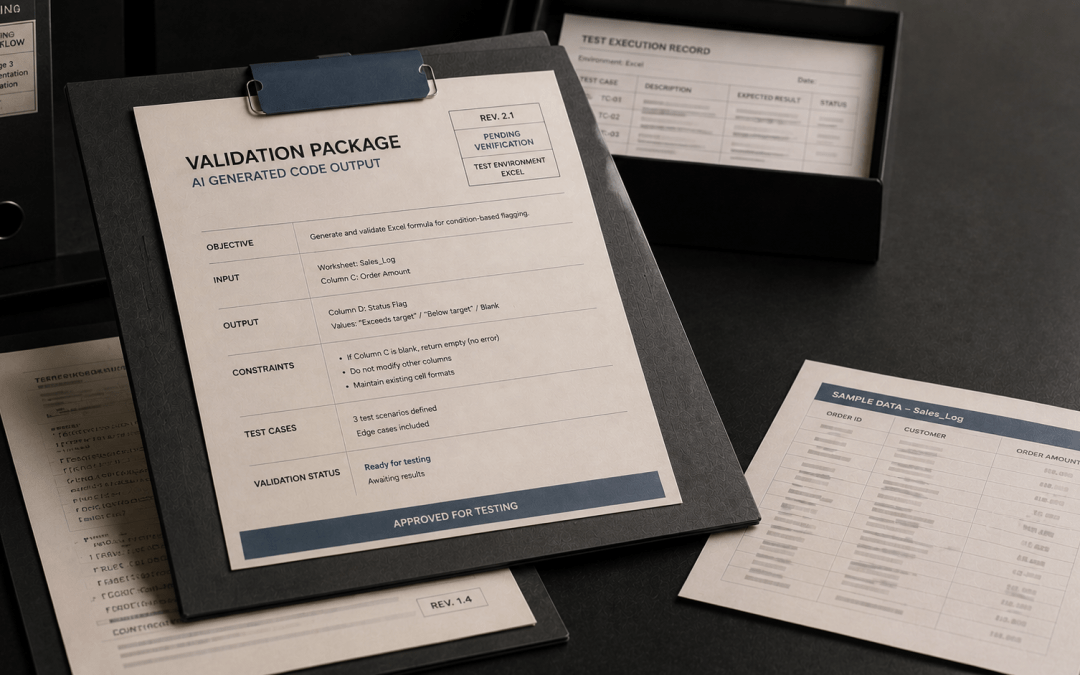
Introduction If you have ever needed a spreadsheet formula to flag rows that meet a specific condition – or a quick script to clean up a file before importing it – you know how much time those small technical tasks can consume. Most professionals are not...

by Rafael Ramos | Aug 1, 2026 | Real-World Use
Introduction You have probably been in this situation: a spreadsheet full of numbers, a folder of meeting notes, or a project tracker with dozens of rows – and a report due by end of day. The data is there. What takes time is organizing it into something a...