
by Rafael Ramos | Aug 1, 2026 | Real-World Use
If you work in a professional setting, there is a good chance you spend a significant portion of your week writing the same kinds of documents over and over again. Standard operating procedures. Email drafts. Meeting note summaries. These are not the most complex...

by Rafael Ramos | Aug 1, 2026 | Real-World Use
Introduction Think about the last time you wrote an email you had written before. Maybe it was a follow-up to a delayed shipment. Maybe it was a weekly status update for your manager. Maybe it was a summary of a meeting that followed the same format every time. You...
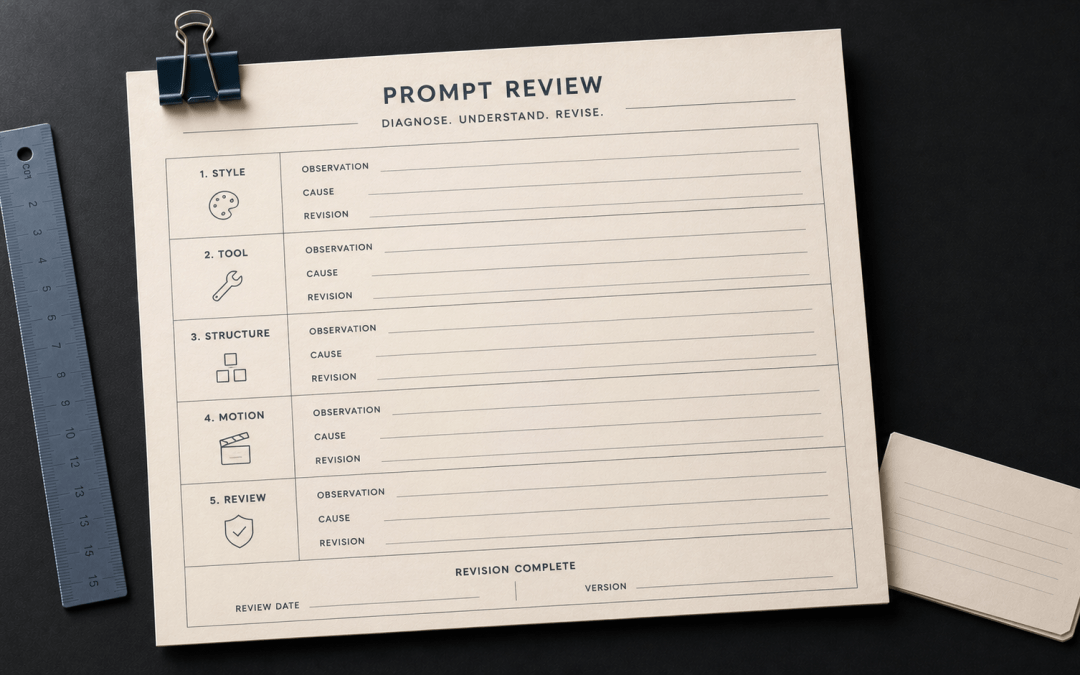
by Rafael Ramos | Jul 27, 2026 | Real-World Use
Introduction Visual AI tools can produce strong, usable outputs. But they can also produce results that miss the mark in confusing ways. The problem usually is not the tool. It is the prompt. Most visual prompting errors follow predictable patterns. People describe...
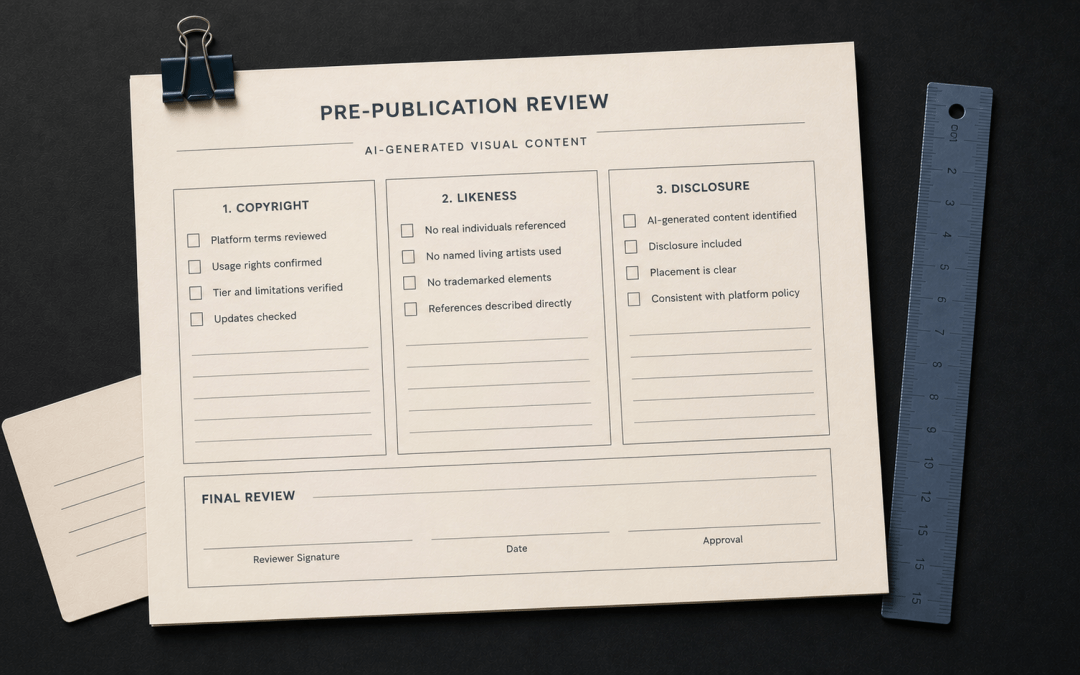
by Rafael Ramos | Jul 27, 2026 | Real-World Use
Introduction Visual AI tools make it easy to generate images and video clips in seconds. That ease is one of their biggest advantages. It is also the reason many people skip a step they should not. Before you publish, sell, or share AI-generated visual content, three...
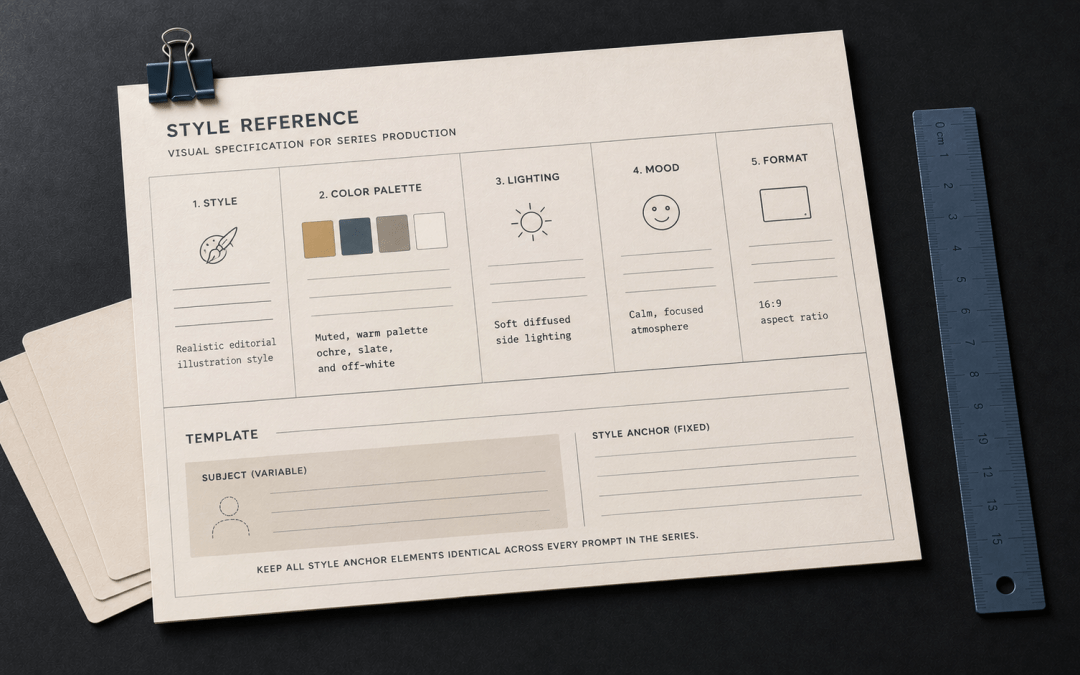
by Rafael Ramos | Jul 27, 2026 | Real-World Use
Introduction Generating a single AI image that looks good is one challenge. Generating ten images that all look like they belong together is a different one. That second challenge – visual consistency across a series – is one of the most practical problems...
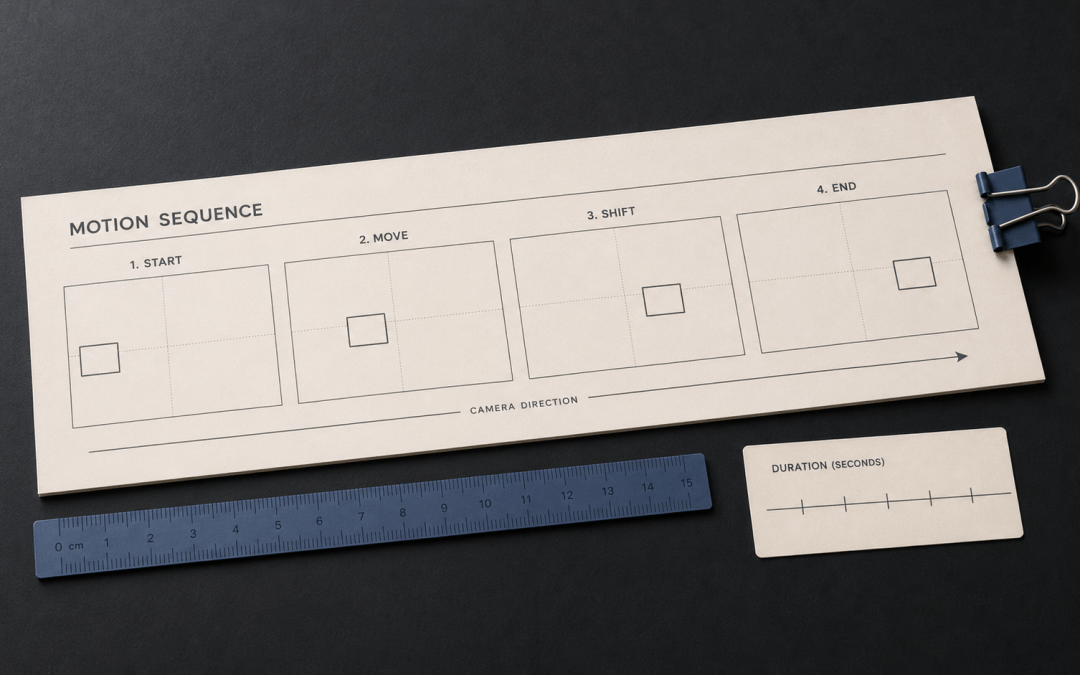
by Rafael Ramos | Jul 27, 2026 | Real-World Use
Introduction You already know how to write a text-to-image prompt. You have a subject, a style, lighting, mood, and an aspect ratio. You stack modifiers, test the output, and refine. The process is structured and predictable – in most cases, at least....
