

The Learning Prompt Engineering Blog
Practical articles on how AI models process prompts, methods that often improve your results, and how those techniques hold up in real tasks. Organized into three areas — getting started, techniques, and real-world use — so you can start wherever’s useful to you.
What's New
Fresh content across all three topic areas — published on a rolling schedule.
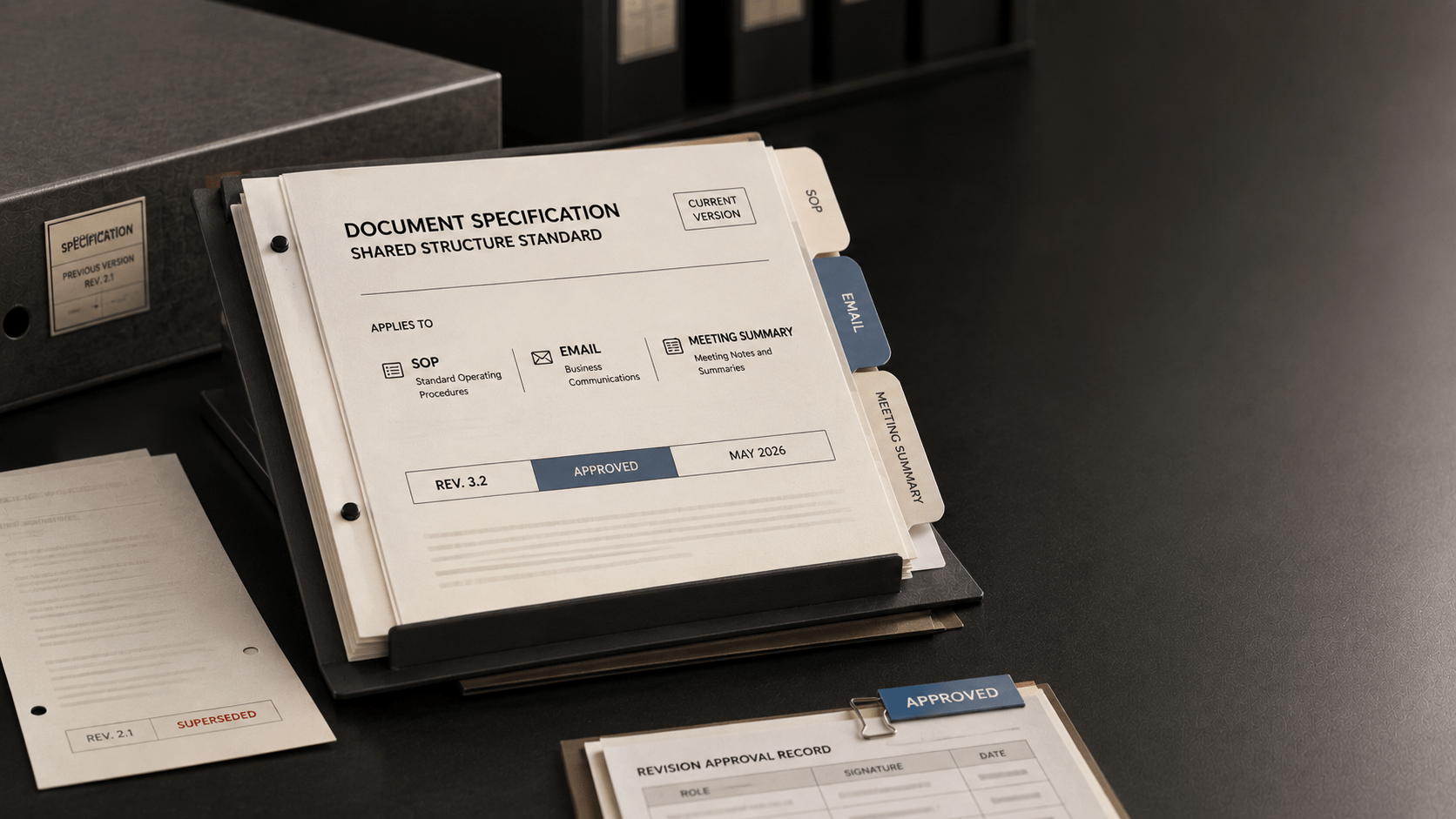
How to Write Prompts for SOPs, Emails, and Meeting Summaries
Learn how to write effective prompts for SOPs, email drafts, and meeting summaries with annotated examples for each document type.
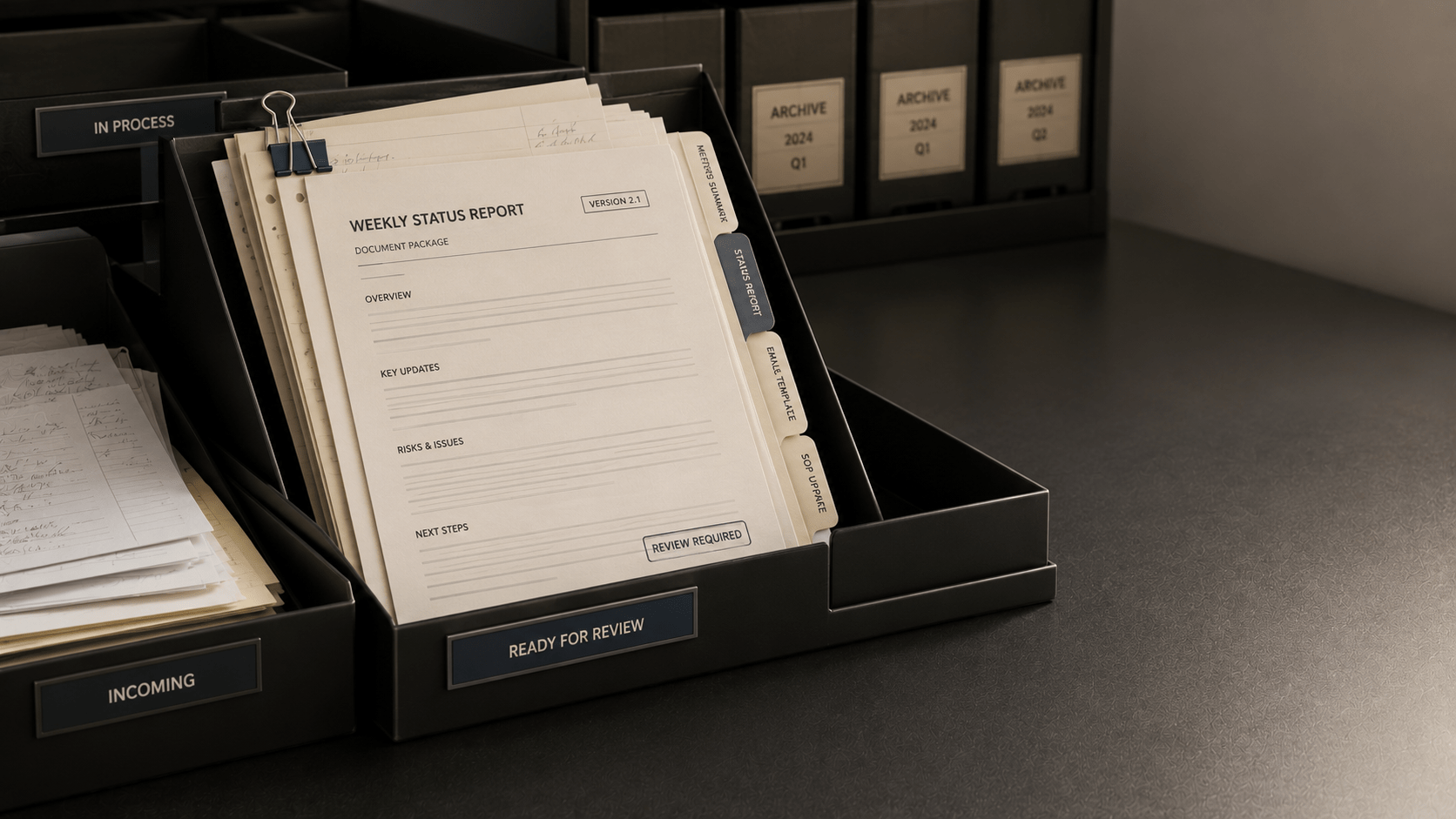
What Is Business Automation with AI Prompts?
Explains what prompt-driven business automation is, how it differs from traditional automation, and which professional tasks benefit most from structured prompts.
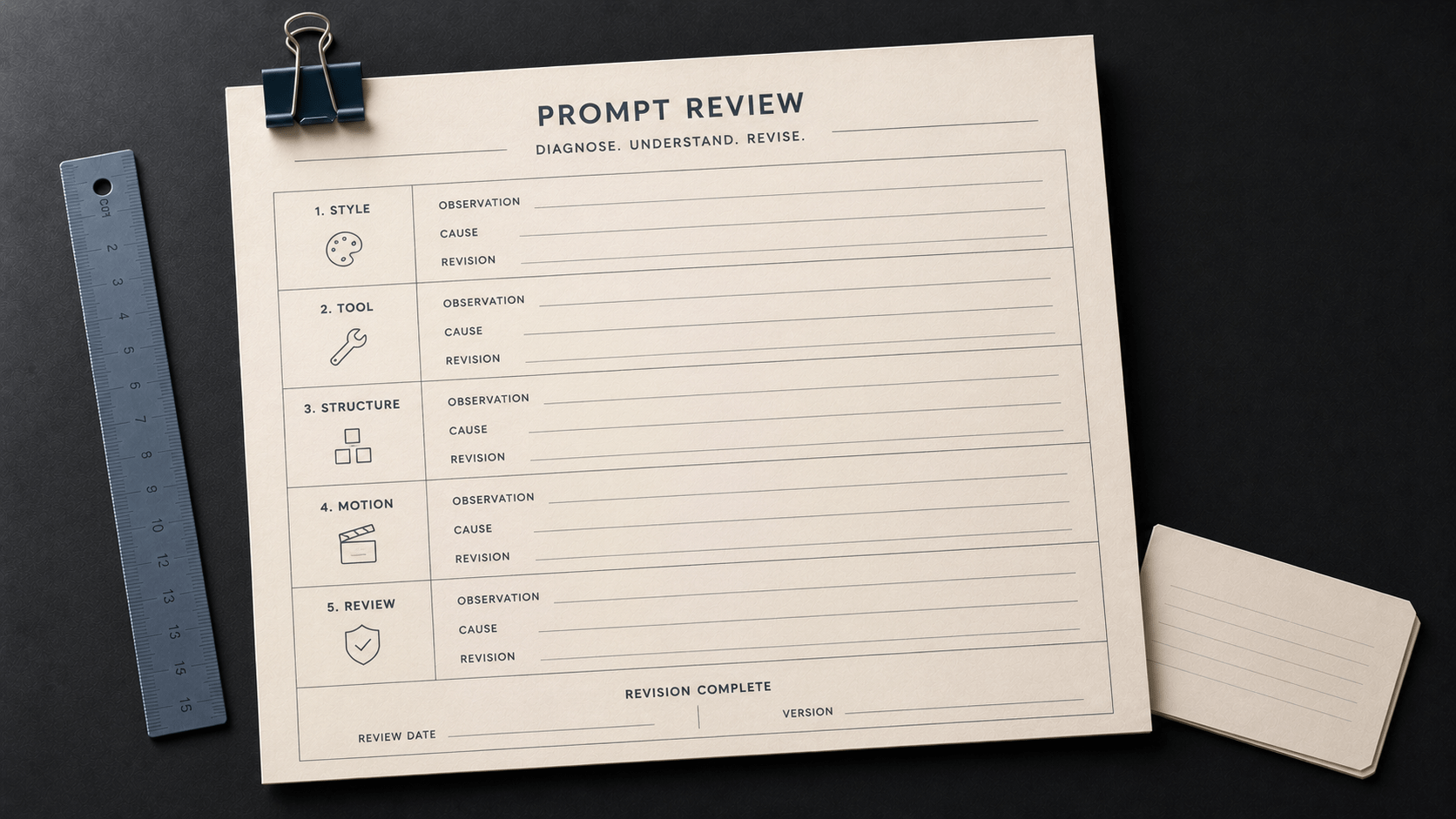
5 Common Visual AI Prompting Mistakes and How to Fix Them
A practical listicle covering the most frequent errors in visual prompting — including vague descriptors, tool-assumption errors, and skipping ethical steps — with corrections for each.
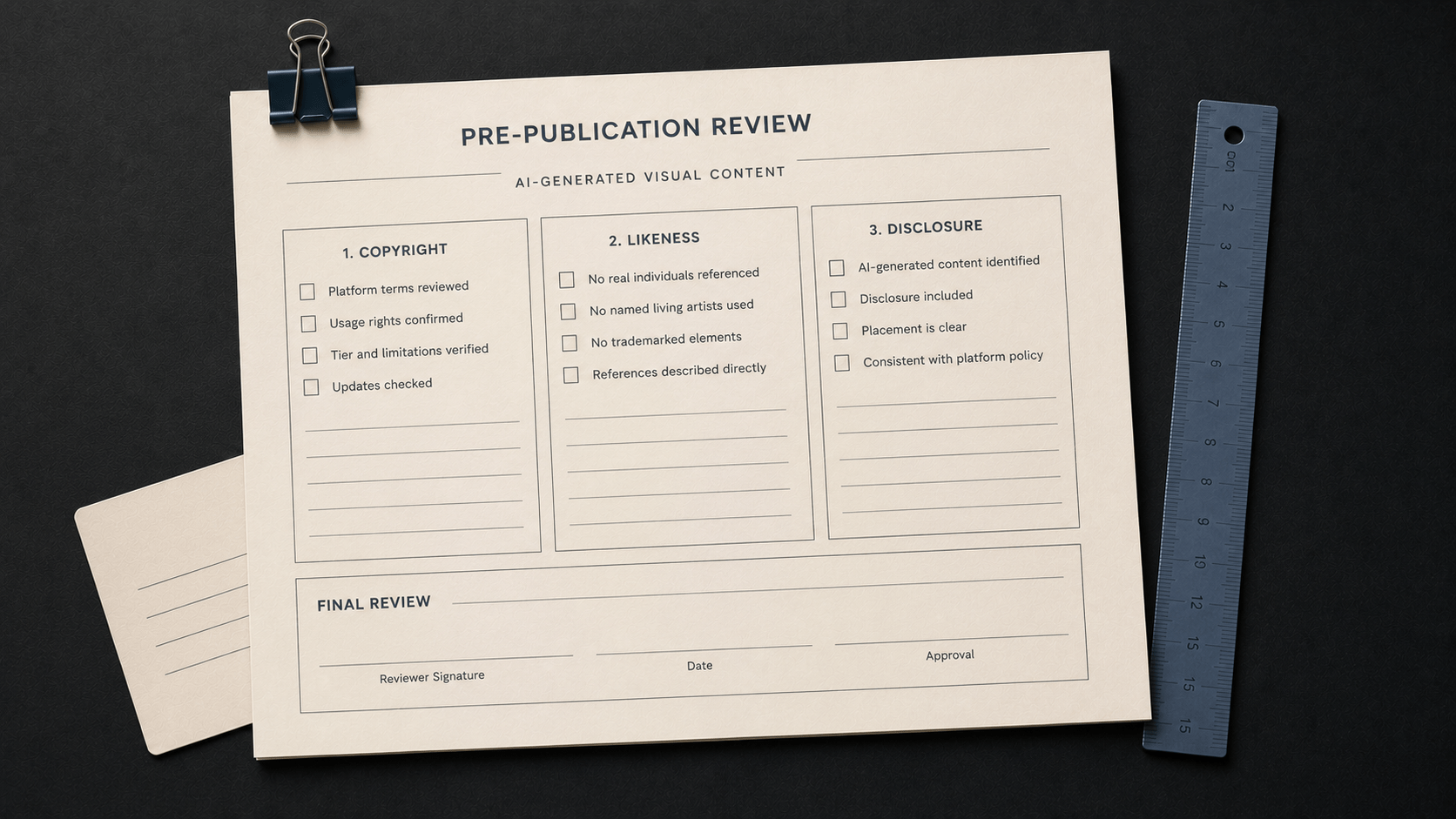
AI Image Ethics: Copyright, Likeness, and Disclosure
Explains the three key ethical responsibilities for anyone using visual AI tools professionally: copyright and ownership, likeness and reference, and disclosure practice.
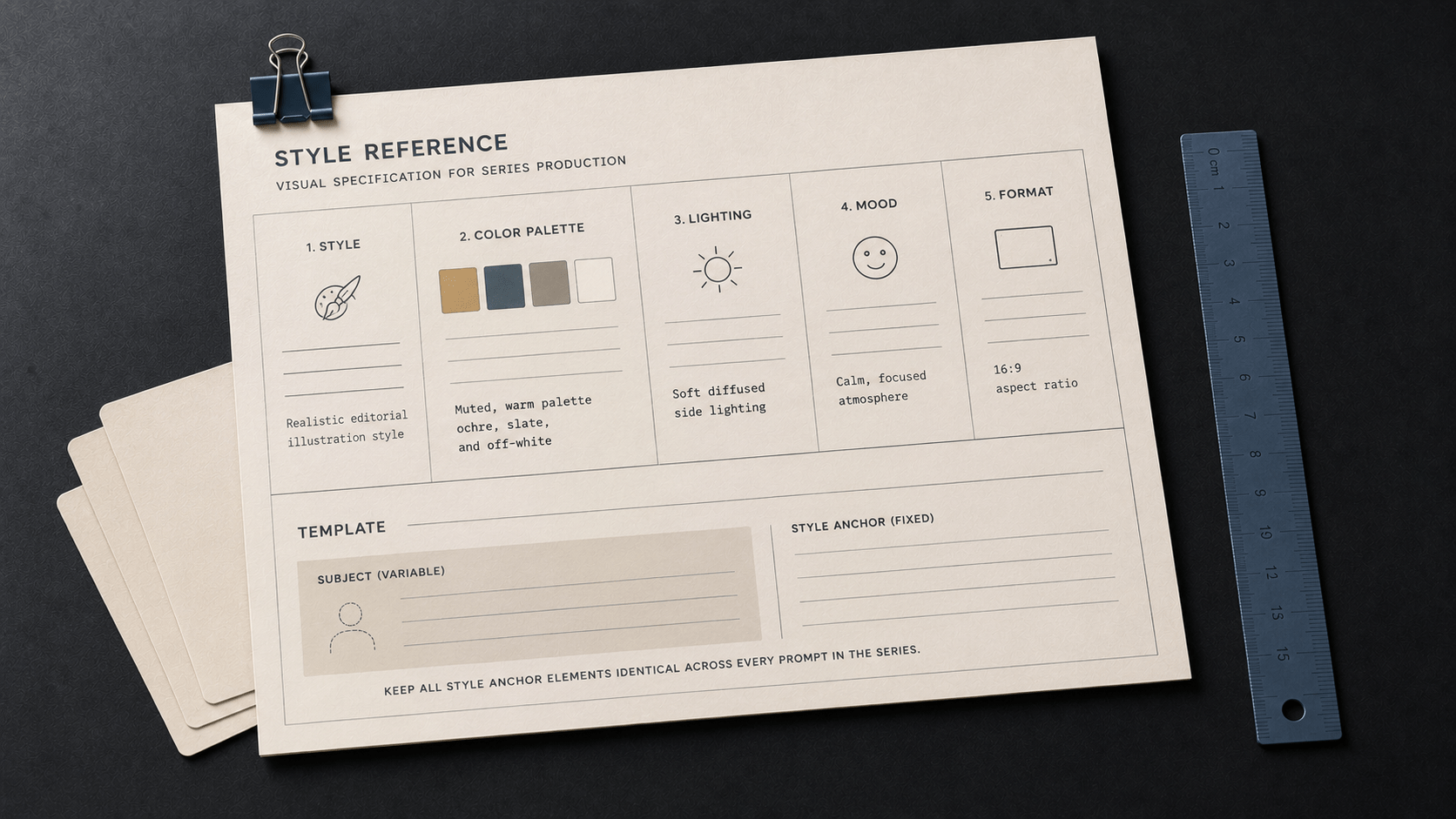
How to Maintain Visual Consistency Across AI-Generated Assets
Covers two techniques — style anchoring and prompt templates — for producing a coherent set of AI images that look like they belong together.
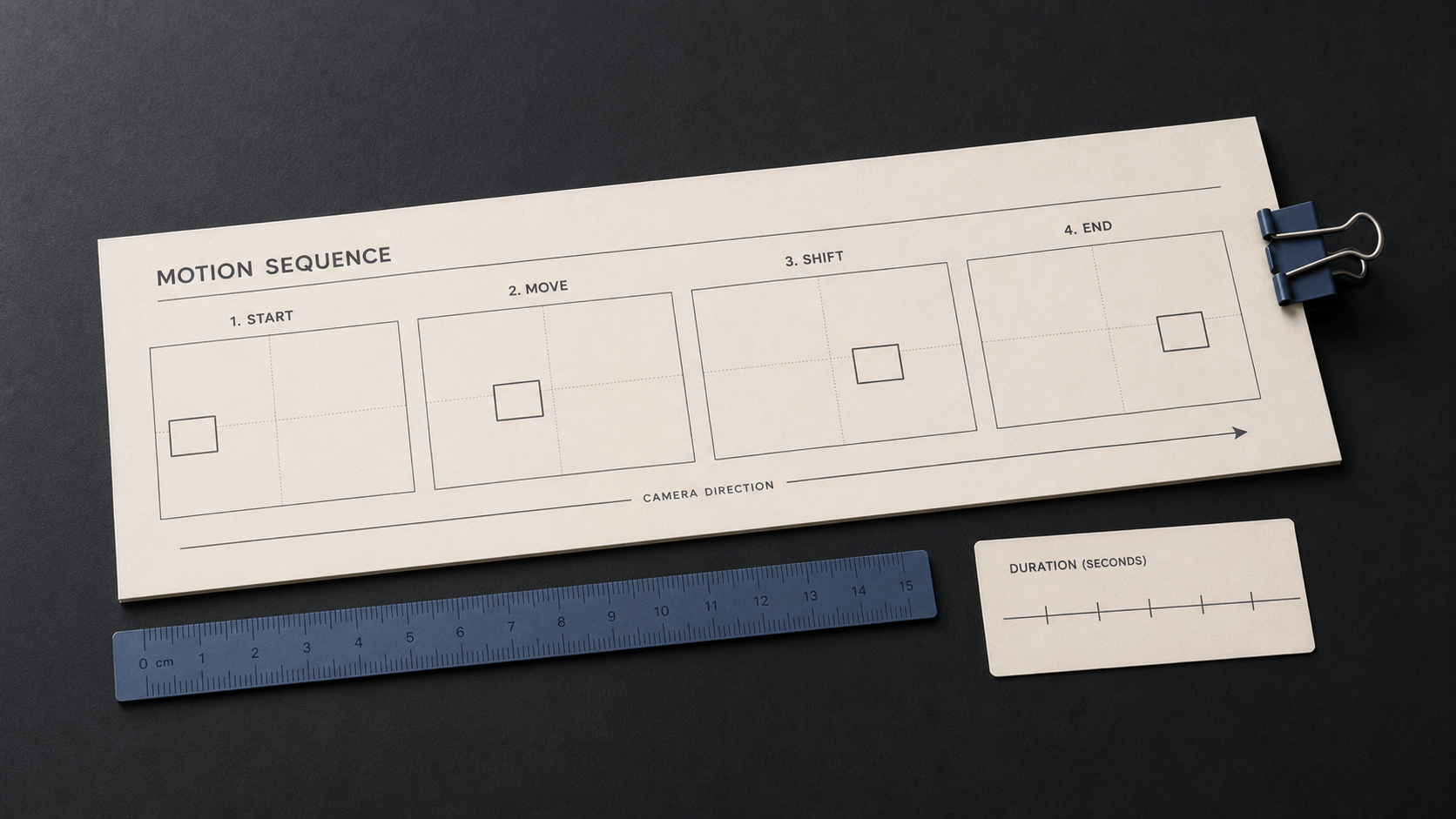
Text-to-Video Prompting: How Motion Changes Everything
Explains how video prompts differ from image prompts, covering motion description, temporal direction, camera instruction, and duration as structural requirements.
Getting Started
New to prompt engineering? This is where you begin. You'll learn what prompts actually are, how AI models process them, and the foundational concepts that make everything else click.
How to Write Prompts for SOPs, Emails, and Meeting Summaries
Learn how to write effective prompts for SOPs, email drafts, and meeting summaries with annotated examples for each document type.
What Is Business Automation with AI Prompts?
Explains what prompt-driven business automation is, how it differs from traditional automation, and which professional tasks benefit most from structured prompts.
5 Common Visual AI Prompting Mistakes and How to Fix Them
A practical listicle covering the most frequent errors in visual prompting — including vague descriptors, tool-assumption errors, and skipping ethical steps — with corrections for each.
AI Image Ethics: Copyright, Likeness, and Disclosure
Explains the three key ethical responsibilities for anyone using visual AI tools professionally: copyright and ownership, likeness and reference, and disclosure practice.
How to Maintain Visual Consistency Across AI-Generated Assets
Covers two techniques — style anchoring and prompt templates — for producing a coherent set of AI images that look like they belong together.
Text-to-Video Prompting: How Motion Changes Everything
Explains how video prompts differ from image prompts, covering motion description, temporal direction, camera instruction, and duration as structural requirements.
Prompt Techniques
Practical methods for writing better prompts. Zero-shot, few-shot, the seven-element framework, iterative refinement, A/B testing — each one explained clearly with examples you can apply right away.
How to Write Prompts for SOPs, Emails, and Meeting Summaries
Learn how to write effective prompts for SOPs, email drafts, and meeting summaries with annotated examples for each document type.
What Is Business Automation with AI Prompts?
Explains what prompt-driven business automation is, how it differs from traditional automation, and which professional tasks benefit most from structured prompts.
5 Common Visual AI Prompting Mistakes and How to Fix Them
A practical listicle covering the most frequent errors in visual prompting — including vague descriptors, tool-assumption errors, and skipping ethical steps — with corrections for each.
AI Image Ethics: Copyright, Likeness, and Disclosure
Explains the three key ethical responsibilities for anyone using visual AI tools professionally: copyright and ownership, likeness and reference, and disclosure practice.
How to Maintain Visual Consistency Across AI-Generated Assets
Covers two techniques — style anchoring and prompt templates — for producing a coherent set of AI images that look like they belong together.
Text-to-Video Prompting: How Motion Changes Everything
Explains how video prompts differ from image prompts, covering motion description, temporal direction, camera instruction, and duration as structural requirements.
Real World Use
Prompt engineering applied to real work — content creation, business automation, professional workflows, and visual tools. The focus here is practical: what to prompt, how to structure it, and what to do when the output needs work.
How to Write Prompts for SOPs, Emails, and Meeting Summaries
Learn how to write effective prompts for SOPs, email drafts, and meeting summaries with annotated examples for each document type.
What Is Business Automation with AI Prompts?
Explains what prompt-driven business automation is, how it differs from traditional automation, and which professional tasks benefit most from structured prompts.
5 Common Visual AI Prompting Mistakes and How to Fix Them
A practical listicle covering the most frequent errors in visual prompting — including vague descriptors, tool-assumption errors, and skipping ethical steps — with corrections for each.
AI Image Ethics: Copyright, Likeness, and Disclosure
Explains the three key ethical responsibilities for anyone using visual AI tools professionally: copyright and ownership, likeness and reference, and disclosure practice.
How to Maintain Visual Consistency Across AI-Generated Assets
Covers two techniques — style anchoring and prompt templates — for producing a coherent set of AI images that look like they belong together.
Text-to-Video Prompting: How Motion Changes Everything
Explains how video prompts differ from image prompts, covering motion description, temporal direction, camera instruction, and duration as structural requirements.