by Rafael Ramos | Jul 27, 2026 | Real-World Use
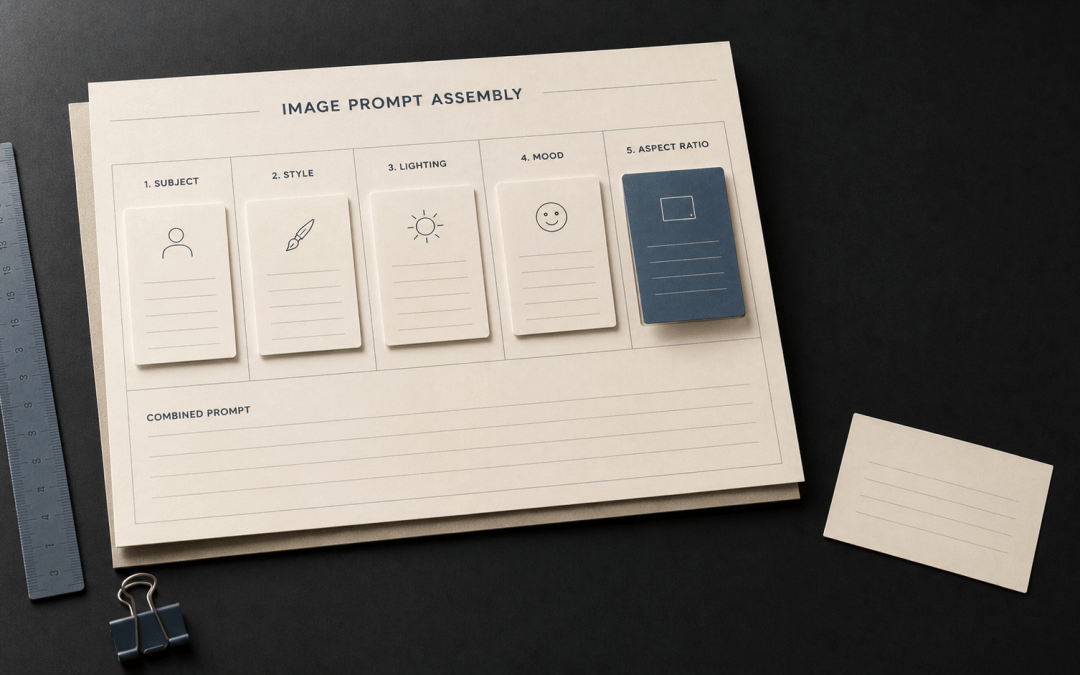
Introduction You have probably typed a one-line description into an AI image tool and watched it produce something unexpected. Not wrong exactly – but not what you had in mind either. That gap is common. Most text-to-image tools work well when the prompt is...
by Rafael Ramos | Jul 27, 2026 | Real-World Use
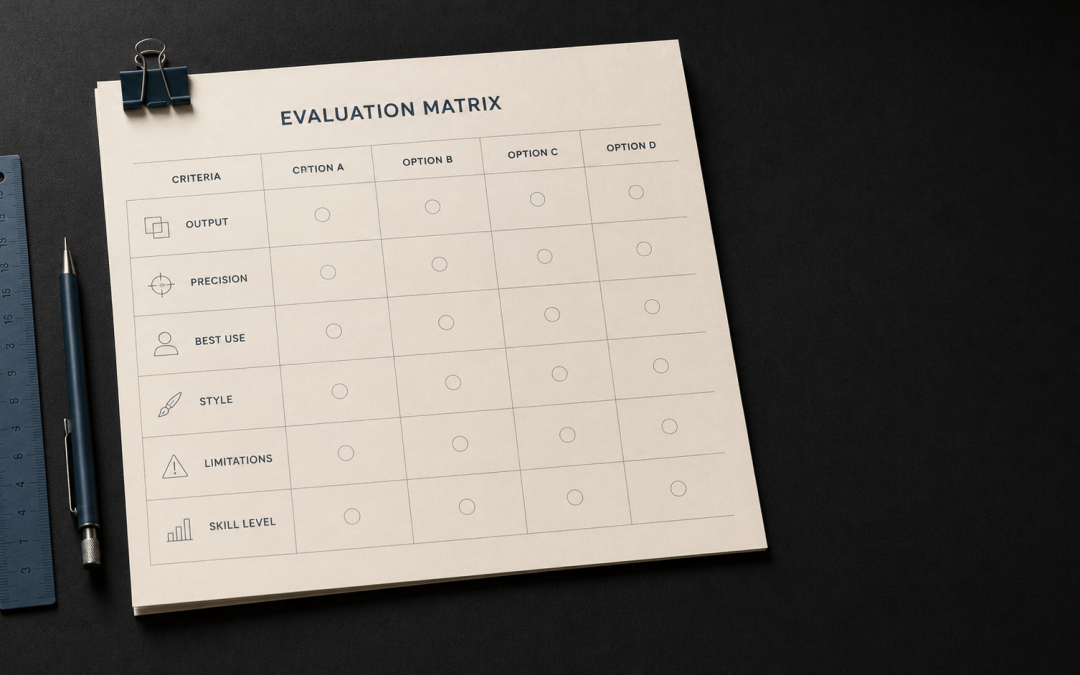
Introduction Not all visual AI tools are built the same. Each one makes different trade-offs – in image quality, motion handling, prompt sensitivity, and output style. Choosing the wrong tool for your task does not just affect quality. It affects how much time...

by Rafael Ramos | Jul 27, 2026 | Real-World Use
Introduction Every visual AI tool you work with – whether it generates a still image or a short video clip – responds to the same fundamental principle: the more precisely you describe the visual result you want, the more consistently the tool tends to...
by Rafael Ramos | Jul 27, 2026 | Real-World Use
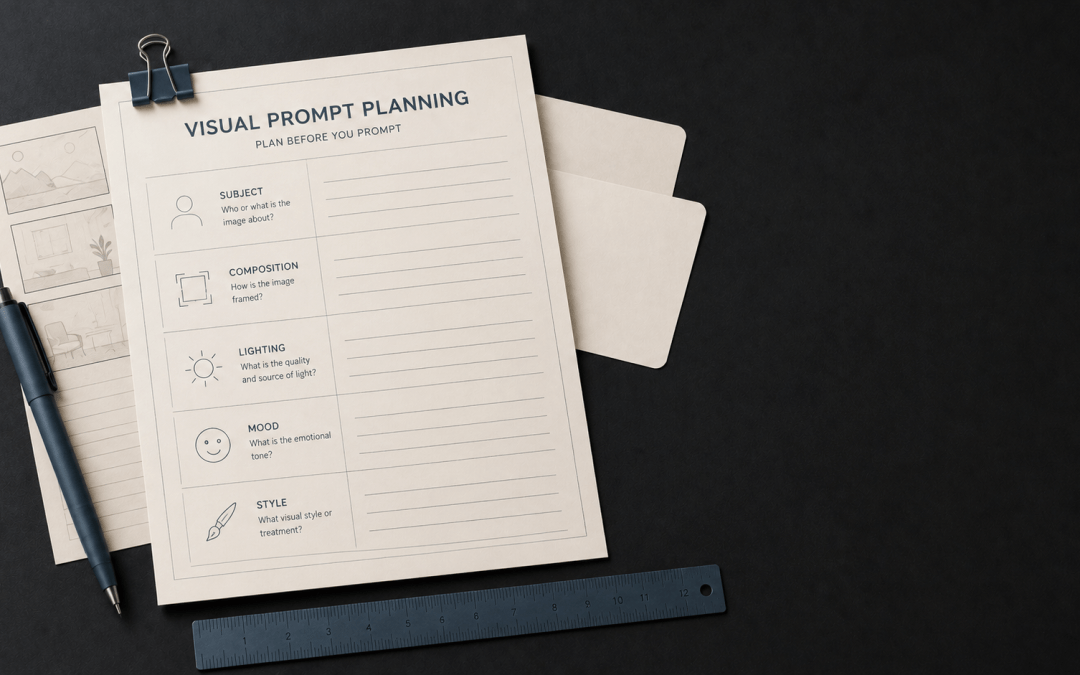
Introduction Up to this point, every prompt you have written has produced text. Words went in. Words came out. The structure, the modifiers, the iteration loop – all of it operated in the same medium. Visual AI prompting works differently. Words still go in. But...
by Rafael Ramos | Jul 26, 2026 | Real-World Use
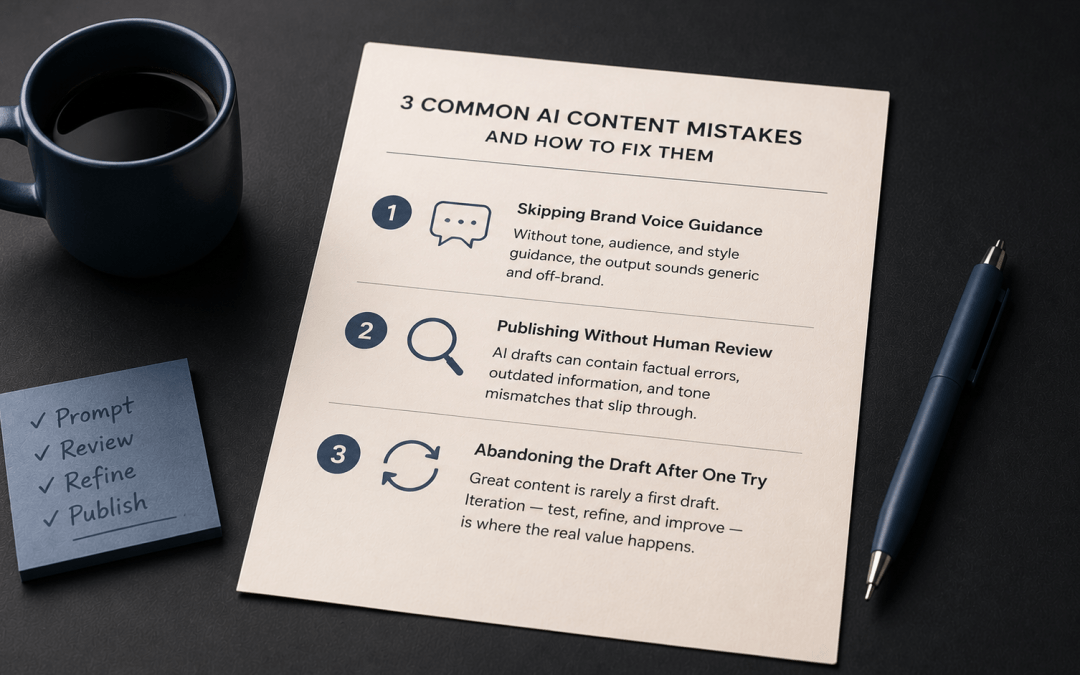
Introduction AI content tools are more accessible than ever. That also means more people are making the same mistakes in how they use them – and most of those mistakes happen before the first word of the article is written. The three errors covered in this...
by Rafael Ramos | Jul 26, 2026 | Real-World Use
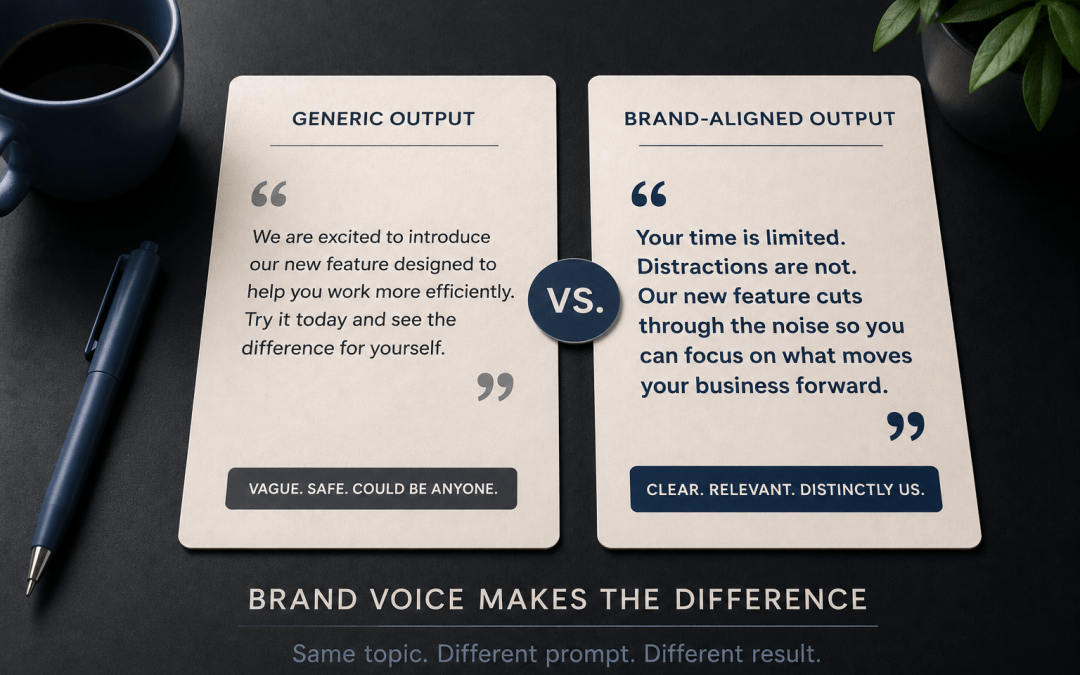
Introduction You have probably seen this scenario before. A marketer sits down, types a quick request into an AI tool, and gets back a draft that reads like it could belong to any company in any industry. The tone is neutral, the phrasing is safe, and the output is...
